
Nothing is more annoying than having a generator that won’t power on—especially when you need it most. To prevent your equipment from sputtering during a storm or stalling on a job site, it helps to learn the ins and outs of your standby and portable generators, starting with the generator recoil starter.
What is a generator recoil starter? Is it the only option out there? How do you know when it’s time to replace this vital component? Here, you’ll find all your questions answered.
What is a Generator Starter?
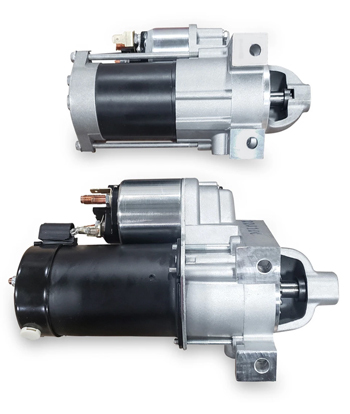 A generator starter is a mechanism that initiates the engine’s cranking process and allows the unit to start generating electricity. When you need to kick your generator into gear, you simply pull the cord (if it’s a recoil starter) or press a button and let the generator starter work its magic.
When it comes to Generac starters, you’ll notice that there are two main types to choose from. The differences lie mainly in how hands-on the cranking process is, and each has its preferred use.
The Types of Generator Starters:
- Manual recoil starters: Generator recoil starters are made up of a spring-loaded reel and gripping pawl that spins the engine’s flywheel when pulled by an operator. The assembly is battery-free, lightweight, and best for small, portable generators on campsites and disaster backup units where it’s not practical to have access to battery chargers.
- Electric starter motors: Electric generator starters are powered by an external battery that, when a button is pushed, forces the motor to engage the flywheel and crank the engine. Though they can cost a bit more and rely on charged batteries to function, these are often considered the best choice for home or business standby units.
What is the Main Responsibility of a Generac Starter?
Generac starters are designed to crank the generator’s internal combustion engine fast enough to kickstart the process and ensure the engine can run on its own. It doesn’t matter if it’s powered by a battery or by hand—all generator starters engage the flywheel with a gear, physically rotating the crankshaft and drawing in air and fuel for ignition. Without a working generator starter in place, the unit will not be able to function.
What is the Difference Between a Generator Recoil and Generator Starter?
While often talked about as if they are one complete OEM part, the generator starter and generator recoil are two different components. Different Generac models require different types of starters, some with a recoil and some without. Knowing the functions of each part is key.
The starter is a more complex piece, responsible for turning over the engine to get it running. It draws the necessary energy to crank the internal combustion engine by either the press of a button or the pull of the recoil. Once the engine is running faster than the starter motor, it disengages from the flywheel.
The recoil is a manual mechanism that attaches to a starter to allow for a manual start, rather than an electric start. When the rope is pulled, the handle spins an internal pulley system to grab the engine’s flywheel, turn the crankshaft, and initiate the combustion process. This type of OEM part is commonly seen in other electrical tools, such as lawnmowers and chainsaws.
What is Included in a Generator Recoil Assembly?
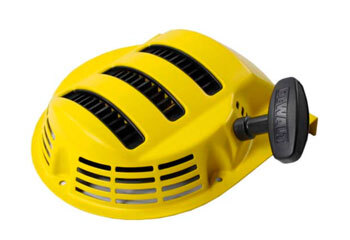 A generator recoil assembly comes with everything you need to manually start up your unit. When all OEM parts are functioning, powering on your equipment is effortless.
Generator Recoil Assembly Parts:
- Recoil pulley: or spool, the central drum the starter rope is wound around when retracted.
- Starter rope: or pull cord, connected to the handle and knotted inside the pulley, typically made of nylon or synthetic materials
- Starter handle: the handle of the rope on the outside of the assembly
- Recoil spring: the coiled metal spring that automatically rewinds the rope back into place after being pulled
- Pawls: small pivoting hooks that extend outward when the cord is pulled and retract back into place after the engine starts
- Housing: the heavy metal or plastic shell that corrals all the other OEM parts and is mounted to the generator engine
Why Should You Have a Manual Generator Recoil Starter?
Electric Generac starter models, while seemingly modern miracles, are not the end-all be-all of powering on a generator. What happens when a battery dies, and there’s no way to recharge it during a storm? What do you do if one of the electrical parts fails and you can’t find a replacement quite yet?
Rather than being left in the dark (literally), invest in a Generac recoil starter. Pulling a cord to power on the engine may seem old-school, but it’s hard to argue against the level of emergency reliability the OEM part provides. With fewer electronic components and the ability to work even without access to a battery, Generac recoil starters are a classic mechanism for a reason.
Why Are Generac Recoil Starters Harder to Start in Cold Weather?
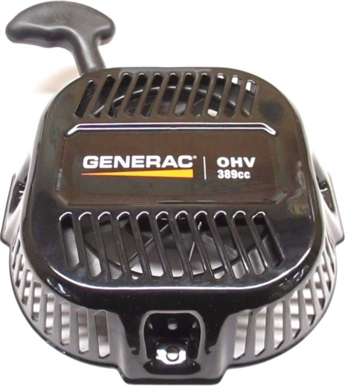 Anyone who’s ever tried to rip on a Generac recoil starter in the winter knows that it can be a challenge. But why?
When the temperature drops, engine oil within the equipment thickens. This creates more resistance for the pull cord to move the piston and other internal OEM parts. If liquid has managed to enter the mechanism, the trapped moisture could have turned into ice, locking the rope in place. If you notice you’re straining or having to pull the cord more times than usual, don’t be alarmed: it’s par for the course.
To prevent cold weather spikes from affecting your Generac recoil starter, we recommend storing your generator in a slightly warmer place, such as the garage, shed, or under a protective tent, to block out snow and freezing rain. If you know a winter storm is about to hit, bring all portable units indoors (but never run them indoors!) so the OEM parts don’t have to start at dangerously low temperatures. When it’s time to use the generator starter cord, pull it out a few inches at a time to free it before doing the final yank to avoid damaging the rope.
How Does a Battery-Powered Generator Starter Work?
When the start button is activated on a battery-powered or electric-start generator, an electrical current flows from the battery to the starter. The starter gear then moves forward to interlock with the engine’s flywheel gear, spinning it fast enough to build cylinder compression and allow an intake of fuel. After the engine is fired up and running at its expected capacity, the starter gear retracts to avoid damage, resetting to its original state.
Can a Starter Motor Be Used as a Generator?
While technically a generator starter can function as its own source of power, much like a generator, it is not recommended. Starters are designed for intermittent use, and continuous operation will result in a quick burnout. Don’t listen to the hobbyists—you’re much better off investing in a cheaper, portable generator than relying on a generator starter motor to help power on devices.
Can You Put an Electric Generator Starter Motor on a Portable Generator?
Unless it was specifically designed with one already, outfitting your portable generator with a separate generator starter is not necessary. In fact, most portable models rely on a generator recoil starter, rendering an upgrade to electric starter motors useless.
How Long Will a Generator Recoil Starter Last?
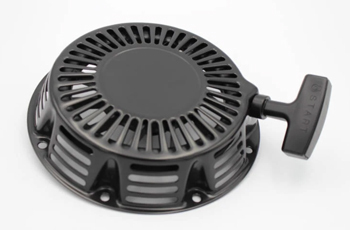 The exact lifespan of a generator recoil starter will largely depend on use. In general, Generac recoil starters make it through between a few hundred and a thousand pulls. This number decreases if any rope wear or spring tension problems arise.
To elongate the lifespan of your Generac starter, make sure to schedule regular cleanings of the area, as dirt and debris can lead to mechanical jams and engine disengagement. While you’re checking up on the mechanism, apply a small amount of lubricant to ensure a smooth pull. Remembering to inspect the Generac recoil for any visible signs of wear and tear will help protect your equipment from improper use.
How Can You Tell if Your Generator Recoil Starter Rope Snapped?
The bad news? Rope snapping is one of the most common problems with generator recoils.
The good news? If the rope of your Generac recoil starter breaks, you’ll be able to tell right away! If the starter handle is hanging loose, pulls out with zero resistance, or is completely detached, the pull cord has snapped.
Pro tip: If you see that the rope has not broken, but just happens to be off its track, you can wind up a replacement rope yourself. Just remove the housing, turn the center pulley system clockwise between 4 and 6 times to load the right amount of tension back into the spring, and thread the new cord through the outlet, tying a secure knot at the end. Reassemble the housing, feed the outer end through the handle, and try it out.
How Much Does a Replacement Generator Recoil Starter Cost?
A replacement Generac recoil starter assembly can go for anywhere between $15 and over a hundred, depending on the unique requirements of your unit. The cheaper aftermarket ones, while seemingly more budget-friendly, are often considered risky and may cost you more down the road than OEM parts. Spending a little bit more up front for a genuine OEM replacement generator starter that was designed specifically for your model is worth it.
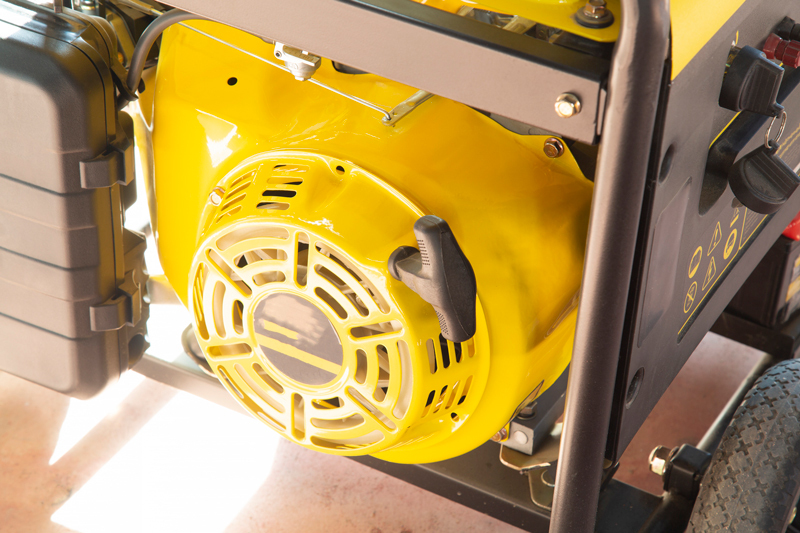
7 Signs the Generator Recoil Starter Needs to Be Replaced:
- Limp cord: If the rope of a generator recoil doesn’t snap back into place after it’s pulled, the internal spring is either unhooked or damaged.
- Slipping: If the generator recoil cord pulls out with little to no resistance, the internal pawls are stuck or worn down.
- Grinding internal spring: If you hear a crunching noise when you pull the Generac recoil starter, the inner coil spring is likely rubbing against the wire housing.
- Crank failure: If the cord pulls and retracts, but the starter still refuses to catch the flywheel, the entire assembly will need to be replaced.
- Visible damage: If you notice any cracks on the cover, an out-of-shape metal frame, or frayed rope, using the Generac recoil starter is too risky.
- Frequent jump starts: If you end up having to yank the cord five or more times just to produce a weak amount of electricity, the grabbing components are too worn out.
- Unusual noises: If you hear any metal-on-metal clangs or loud snapping after you pull the cord, it’s time to replace the entire recoil assembly.
What Kind of Generator Recoil Starter is Compatible With Your Model?
When you’re in the market for a new Generac starter, don’t just buy the first design you see. While many of the generator starters made for Generac are designed to fit in a variety of units, you’ll want to identify which OEM part is most compatible with your model.
If you don’t have access to the diagnostic manual, you can locate the ID tag on the frame and engine housing for your model number. From there, you can use our handy Find Part Numbers page to discover the Generac starter made for your specific unit.
Note: If for some reason you can’t identify the model number, you can always reach out to us. We’re happy to help you find the right OEM part for your generator.
Can You Swap Out a Generator Recoil Starter On Your Own?
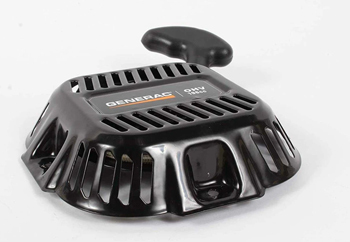 If you notice your unit may need a new Generac recoil starter, you don’t necessarily need to schedule maintenance with your operator. If you feel confident in your DIY-ability, you can attempt to swap out the replacement OEM part on your own.
Start by turning off the engine and fuel valve and disconnecting the spark plug boot, letting everything cool completely. To access the Generac starter, remove the outer enclosure panels and undo the mounting bolts before pulling the aged part off. Attach the new assembly, tighten the bolts, reattach the panels, and test the start function. If it was done correctly, the engine should start right up.
Having access to a working generator can make or break how prepared you and your family or employees feel when disaster strikes. Gear up, get ready, and grab a replacement OEM Generac starter at Generator Magic today.