
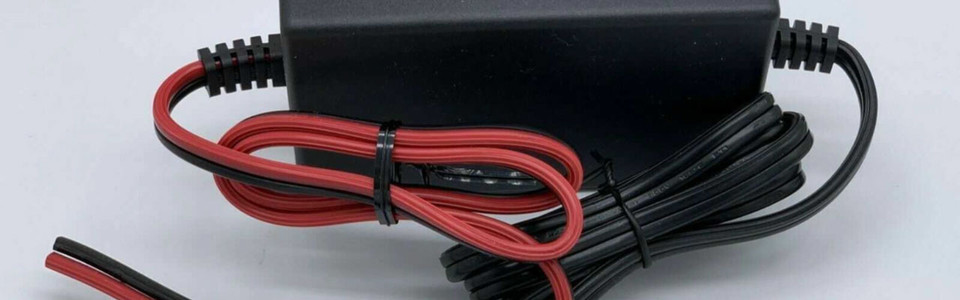
Generator reliability starts with the battery, and battery reliability starts with the charger. A standby unit can be mechanically sound and properly installed, but if the charging system is underperforming, the generator may fail at the exact moment you need it most. Understanding how generator battery chargers function and how they are integrated into specific platforms helps prevent no-start conditions and unnecessary service calls.
What is a Generator Battery Charger?
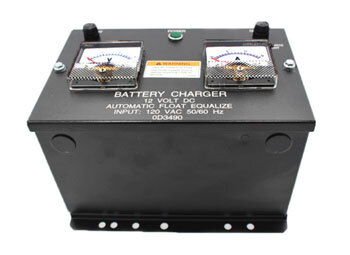 Generator battery chargers keep the machine’s starting battery ready to go at all times. When utility power is available, the charger continuously supplies a small, controlled amount of electricity to make up for the battery’s natural energy loss. With that steady maintenance charge, the battery will slowly drain even if the generator never runs.
Generac battery chargers are designed specifically for Generac systems, which makes them the most reliable choice for those units. They are calibrated to the correct voltage range, matched to the controller, and built to integrate without triggering fault codes or charging errors. Using the correct Generac battery chargers helps ensure consistent starting performance and protects overall system reliability.
Why is a Reliable Generac Battery Charger Critical?
A dependable charging system directly affects whether a generator starts when called upon. The charger supports long-term battery health and reduces avoidable service issues tied to low voltage or premature battery failure.
5 Reasons Why You Need a Working Generator Battery Charger
- Ensures system readiness – Generator battery chargers keep the starting battery fully charged so the unit can start immediately during a power outage. Because standby generators are often idle for long periods, delivering a full charge is essential to prevent delayed or failed starts.
- Extends battery lifespan – Improper charging voltage is one of the leading causes of premature battery failure. Generac battery chargers that deliver regulated output prevent overcharging and undercharging, both of which reduce battery life and increase replacement frequency.
- Offset natural self-discharge – All lead-acid batteries gradually lose charge over time, even when disconnected. Generator battery chargers continuously supply a controlled maintenance charge to compensate for this natural loss, ensuring the battery remains at optimal capacity during inactivity.
- Protects against electrical damage – Quality charging systems include safeguards such as voltage regulation and short-circuit protection. Generac battery chargers are designed to sustain proper voltage limits and integrate with controller diagnostics, reducing the risk of damage to both the battery and the generator’s electrical components.
- Maintains performance in variable conditions – Standby systems operate in environments that may include temperature swings, humidity, and fluctuating utility voltage. Generac parts continue to deliver a stable supply under these conditions, ensuring dependable battery performance regardless of external factors.
What are the Different Types of Generac Battery Chargers?
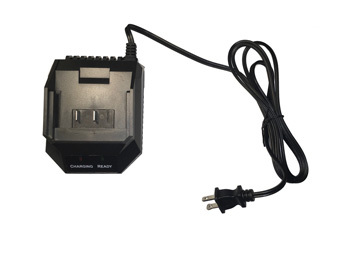 Generator battery chargers come in several designs to match the range of standby and portable generators. Each type is engineered for specific system requirements, battery capacities, and controller configurations.
5 Types of Generac Battery Chargers
- Integrated controller chargers – These chargers are built directly into the generator’s control panel. They monitor battery voltage, regulate float charging, and communicate with the controller for diagnostic reporting.
- Standalone module chargers – Used primarily in larger or liquid-cooled systems, these chargers are separate units mounted near the battery. They provide higher amperage output and can be replaced independently of the controller.
- Multi-stage chargers – Some Generac battery chargers feature multi-stage charging, including bulk, absorption, and float phases. This design helps protect battery health during extended idle periods or after repeated cranking events.
- High-amperage commercial chargers – Designed for commercial or industrial generators, high-amperage commercial chargers deliver higher current to recharge large batteries quickly while maintaining precise voltage regulation.
- Portable generator chargers – Smaller, compact chargers are used on portable generators. They are designed to support battery readiness without taking up significant space or requiring integration with a control panel.
How Do I Know What Type of Generac Battery Charger My Generator Needs?
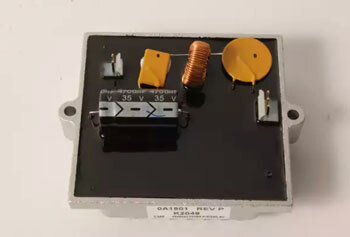 The correct generator battery charger depends on your generator’s model, controller design, and battery specifications. Battery chargers must match the required DC voltage, amperage rating, and battery chemistry to ensure proper float charging and long-term reliability. Verifying the model and serial number is the most accurate way to confirm the correct replacement part.
For Generac systems, Generac battery chargers are designed to match specific controller generations and factory-voltage settings. Using the exact OEM part number ensures proper integration with the control board and avoids false warnings or unnecessary fault signals. Always check whether the charger is a standalone module or built into the controller before ordering.
How Do You Know When to Replace Your Generator Battery Charger?
A battery charger usually shows warning signs before it fails completely, and recognizing them early can prevent generator downtime. Common indicators include repeated low battery alerts, slow or failed cranking, or a battery that never seems fully charged even after maintenance. Measuring voltage at the battery terminals while the generator is powered can confirm whether the charger is delivering the correct output.
For Generac systems specifically, the control panel may display specific diagnostic codes when the Generac battery charger isn’t functioning properly. Visible damage, burnt components, or erratic voltage readings are also clear signs it’s time for a replacement. Replacing a faulty charger helps control battery health and ensures your generator is ready whenever you need it.
Tips for Maintaining Your Generac Battery Charger
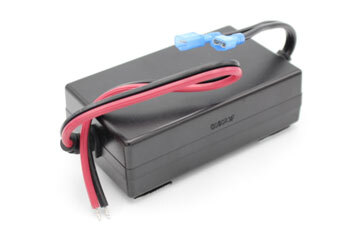 Even a high-quality Generac battery charger performs best when basic maintenance practices are followed. Keep the battery terminals clean and tight, inspect wiring for corrosion or fraying, and make sure the charger’s enclosure is free from dust or moisture. Simple checks like these prevent voltage drops and maintain consistent battery charging performance.
It’s also a good idea to periodically measure the charger’s voltage to ensure it remains within specification. For multi-stage or integrated chargers, confirm that the control panel reports normal charging status. These small, proactive steps reduce the risk of unexpected failure.
A properly functioning generator battery charger is a small component with a big impact on system reliability. It keeps the battery healthy, ensures stable starting power, and minimizes unexpected maintenance issues. Choosing the right charger for your system ensures your generator performs as expected.
Regular inspection and timely replacement of worn or faulty chargers can save both time and money. By understanding the different types of generator battery chargers, how to identify the right one for your generator, and the signs of failure, you can provide peak performance and avoid downtime during critical power outages.