
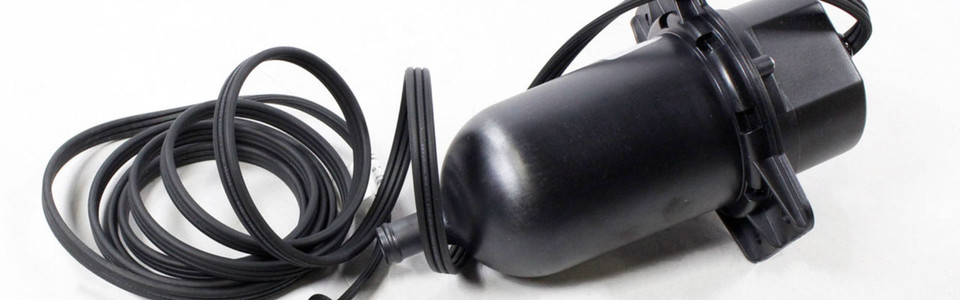
Did you know that cold temperature spikes are one of the top causes for a lagging generator engine? It’s true. Luckily, there are a few easy solutions.
Adding a generator block heater or generator cold-weather kit to your unit is a proactive way to ensure your system can remain functional even in the chilliest months of the year. Learn how to protect your equipment today.
What is a Generator Block Heater?
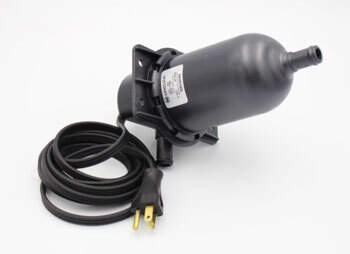 The block heater is a specialized electrical device designed to warm a generator’s engine block when it is not in use. In cold weather, engine oil tends to thicken, resulting in a delayed start.
When the power goes out, you can’t always afford to wait for your unit to kick in! By keeping the internal fluids (often water or hydraulic fluid) at an optimal temperature between 100°F and 120°F, the generator will be able to start instantly and without delay.
How Does a Generator Block Heater Work?
Generator block heaters are placed inside the engine block (or externally to the oil pan, depending on the model) and are typically powered by external sources of electricity. When the heating element heats up, it warms the surrounding coolant. That heat is then transferred to the engine block’s metal, forcing the liquid to flow and ensuring the engine is easy to ignite when needed.
The 3 Main Benefits of a Generator Block Heater:
- Reduces engine wear-and-tear: A pre-warmed engine block ensures that the oil remains at an optimal viscosity, encouraging it to circulate instantly and lubricate critical moving parts as soon as the unit turns over. This prevents metal-on-metal friction and reduces the need for unnecessarily frequent part replacement.
- Instant reliability: When faced with a grid issue or extreme weather conditions, a generator must be able to jump from zero to 1,800 RPM in a matter of seconds. Generator block heaters allow the engine to crank, ignite, and stabilize almost immediately, keeping you prepared during emergency situations.
- Minimizes emissions: Cold engines are incapable of running efficiently, with less fuel combustion creating air pollutants, black smoke, and wet stacking in the surrounding environment. A generator block heater helps the engine burn fuel properly, allowing for longer operating times and material conservation.
When Should You Use a Generator Block Heater?
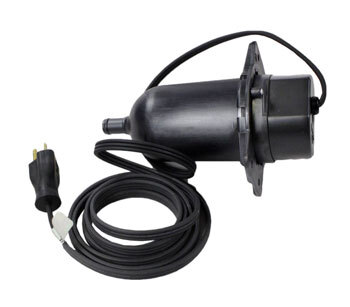 If you have a standby unit permanently installed at your house or business, it is recommended to keep the generator block heater on 24/7, just in case of a disruption. While this rule does apply year-round, it becomes especially important when outdoor temperatures begin to drop below freezing.
But if you have a portable generator, it is not always necessary and can lead to a significant waste of electricity. Instead of leaving it on your system, experts recommend that you add it a couple of hours before you intend to start the generator in colder weather.
The Most Popular Types of Generator Block Heaters for Standby Systems:
- Thermosiphon heaters rely on natural heat convection to circulate the warmed coolant throughout the engine.
- Forced circulation heaters use a built-in water pump to push heated coolant through the engine block in an evenly distributed way.
- Immersion heaters are installed directly into the engine’s coolant jacket or oil pan and are physically submerged in the fluid.
How to Maintain Your Generator Block Heater
Understanding proper maintenance for your generator block heater is the best way to ensure it stays running for years to come. We encourage you to regularly inspect the wiring and cords for signs of fraying, cracking, or corrosion, as well as inspect around the heater for any signs of coolant leaks. If you find any issues, you’ll need to invest in a replacement part as soon as possible.
Pro tip: Every two years, you’ll want to completely flush your generator’s cooling system. This prevents minerals and scale from building up on the heating element, reducing the thermal transfer efficiency. Check with your manufacturer to see their recommended timeline and stay on top of it.
How Often Do You Need to Replace Your Generator Block Heater?
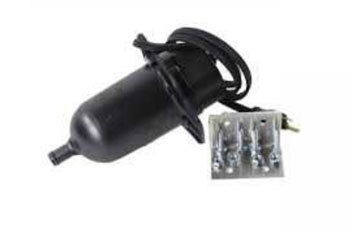 The best generator block heaters on the market are made to last 3 to 5 years of use—but even those wear out over time. In order to stay on top of your generator maintenance, you’ll want to keep an eye out for clear signs that it’s time for a replacement.
Signs You’ll Need to Replace Your Generator Block Heater:
- Inconsistent heating
- Visible signs of corrosion or damage
- Faulty thermostat readings
- Tripped breakers
- Frayed wiring
What is a Generator Cold-Weather Kit?
A generator cold-weather kit is a package of unique components designed to protect your unit’s engine, fuel, and battery. By reducing the impact of low temperatures on critical parts within your equipment, a generator cold-weather kit is able to enhance reliability and performance even in colder climates.
What is Included in a Generator Cold-Weather Kit?
The exact components of your generator cold-weather kit will depend on your specific model (as well as your local climate needs). Typically, a generator cold-weather kit includes a battery warmer pad that’s made to wrap around the battery and turn on when temperatures drop, an oil warmer element that’s in charge of keeping the engine oil fluid for immediate lubrication during startup, and a crankcase or breather tube heater, used to prevent moisture from freezing up in the internal systems.
Can You Install a Generator Cold-Weather Kit on Your Own?
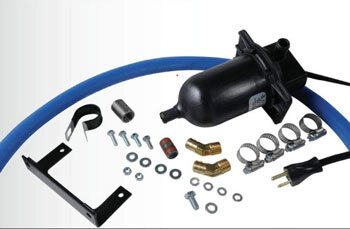 In most cases, since they are designed to be plug-and-play, you can install a generator cold-weather kit without the help of a professional. But the difficulty will depend on your specific set-up.
If you’re unsure of working near or with electrical parts and engine oil, we recommend hiring someone else to place your generator cold-weather kit for you. Search the internet for professionals near you and give them a call to schedule an appointment today.
Incorporating a generator cold-weather kit and block heater into your unit is a game-changer. If you want to set yourself up for success all winter long, it’s time to invest in your equipment. We promise you’ll be grateful the next time temperatures plummet and the power goes out!