
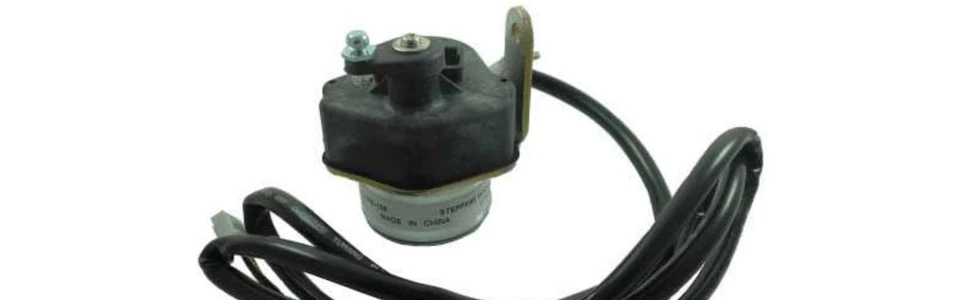
Extreme weather alerts and surprise grid outages shouldn’t disrupt your life. Owning a generator is the best way to ensure you have access to power whenever (and sometimes, wherever) you need it. What makes it even better? Having a basic understanding of each critical component that makes up your unit.
As you’re learning the ins and outs of your trusty generator, make sure to delve into generator stepper motors. What are they? What are the main functions? How can you tell when it’s time to replace it? We’ll answer all these questions and more.
What is a Stepper Motor?
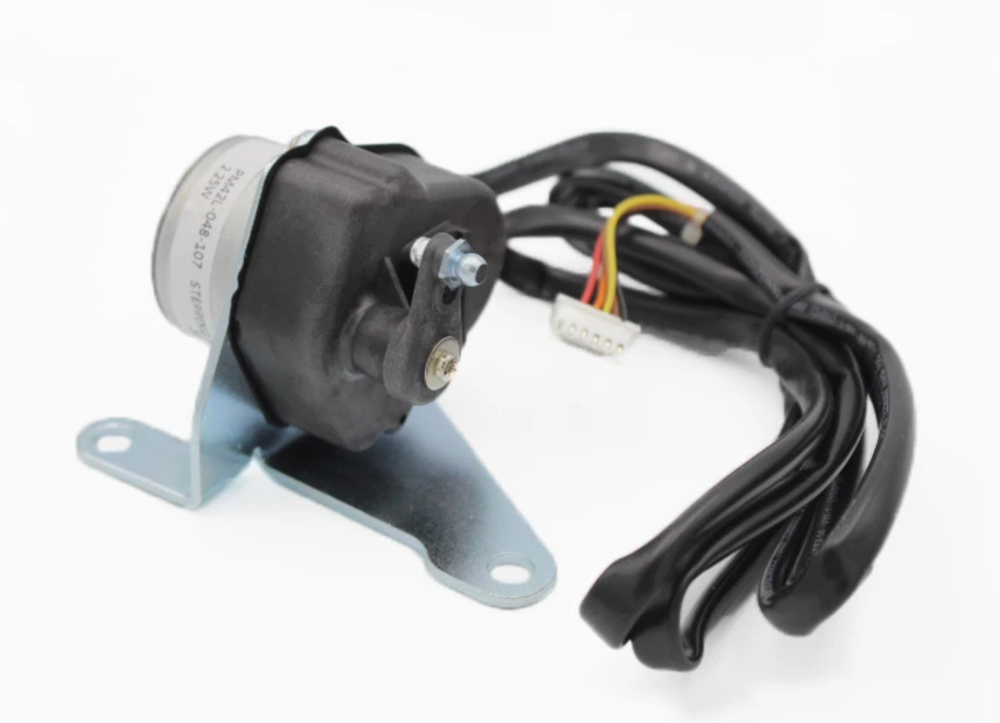 A stepper motor is a brushless electric motor that divides a full 360-degree rotation into a series of equal steps. Unlike standard DC motors, which spin continuously when power is applied, stepper motors convert digital electrical pulses into exact mechanical increments. When applied to a Generac generator, the stepper motor monitors and adjusts fuel consumption to ensure a proper power output and create clean energy.
Do Generators Need Stepper Motors?
Don’t get it twisted: generator stepper motors are not a standard component found in traditional standby or portable generator systems. Think of them less like a necessity, and more like a valuable upgrade. If you’re in the market for OEM parts and looking for ways to increase the fuel efficiency and electrical load draw of your unit, it’s worth looking into a generator-compatible stepper motor.
What Does a Stepper Motor in a Generator Do?
When added to a Generac unit, the generator stepper motor acts as an electronic governor. While not necessary to produce power, a generator stepper motor installed on the engine’s throttle in your equipment has multiple advantages worth exploring.
The 3 Main Functions of a Generator Stepper Motor:
- Control engine speed
- Stabilize voltage and frequency
- Handle fuel efficiency
1. How Does a Generator Stepper Motor Control the Engine Speed?
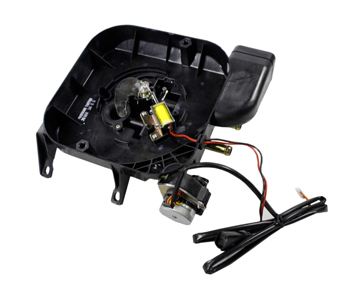 When it comes to generators, maintaining a steady and consistent engine speed is vital. A Generac stepper motor receives electrical pulses from the digital controller and responds by dictating exact rotational increments.
It is those precise movements that change the engine’s air-fuel mixture to maintain the unit’s required RPM for stable frequency. When the appliance is turned on, the control loop starts over again by calculating the exact change needed and sending a new rhythm of electrical pulses to the stepper motor.
2. How Does a Generator Stepper Motor Stabilize Voltage and Frequency?
To produce the desired hertz, a generator must run at its mandated speed. If the changing electrical load comes too quickly or slowly, the power output will spike and potentially ruin attached appliances. A Generac stepper motor automatically adjusts the engine’s throttle and choke in real-time to compensate changes and provide consistency.
3. How Big a Part Does the Generator Stepper Motor Play in Fuel Efficiency?
When a unit’s engine runs too fast, it leads to wasted fuel and damaged generator parts. By acting as the engine’s actuator, a replacement stepper motor continuously adjusts the fuel intake to match the equipment’s RPM with the fluctuating power demands. Without it, the system would run at maximum throttle at all times.
Can A Stepper Motor Be Used to Generate Power?
In your research on OEM parts, you may find yourself asking this question. The answer? Yes, a stepper motor can be used as a generator. Since they are built with multiple coiled windings and permanent magnets, the shaft generator part can be spun to induce an alternating current (AC).
However, it’s important to note that just because a stepper motor can be used to generate power doesn’t mean it's applicable to all situations. Most people use them in DIY projects, like wind turbines and water wheels, rather than home and business settings.
What are the Benefits of Adding a Generac Stepper Motor to Your Unit?
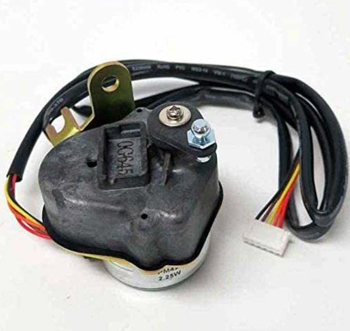 Owning a Generac unit is just the start. To take full advantage of your unit’s power, we recommend investing in OEM parts to make it the best it can be. While technically not necessary for normal use, adding a generator stepper motor will enhance your equipment in a handful of ways.
Benefits of Using a Generator Stepper Motor:
- Efficiency
- Flexibility
- Simplified control
- Longevity
- Lower costs
Generac Stepper Motors Increase Operational Efficiency
As far as generators go, the goal should always be optimizing the equipment’s efficiency. By regulating the electronic elements and RPM of your system, the stepper motor enables your unit to run smoothly and prevent underperformance or overconsumption.
Without using a replacement stepper motor, you’ll end up with erratic engine speeds, unstable voltage, fuel waste, and more frequent engine stalling. When you’re in a rush to power on after a disruption, there’s no time to waste!
Generac Stepper Motors Give Your Unit More Flexibility
Stepper motors can be programmed to accommodate different operating conditions, giving your equipment more adaptability and flexibility than the traditional model. Generac stepper motors are designed to idle down when electrical loads are low and ramp back up as soon as a heavy appliance kicks on, adjusting dynamically to save a significant amount of fuel for future use.
Generac Stepper Motors Allow for Simplified Control
You shouldn’t have to be a traditionally trained mechanical engineer to operate your standby generator. A replacement stepper motor allows for a more accessible, open-loop control. The OEM part moves solely on the number of electrical input pulses received, negating the need for any external position feedback systems.
Generac Stepper Motors Elongate Your Equipment’s Lifespan
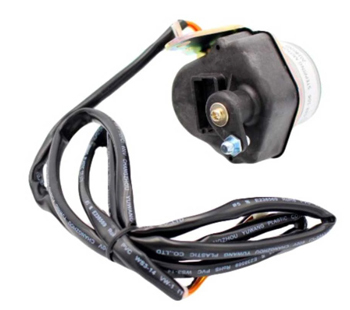 When you spend your hard-earned money on a standby generator, you want it to last as long as possible. Implementing a replacement stepper motor is the key to making that happen.
Instead of running at a constant high-level RPM, a generator stepper motor allows the unit to adjust its speed to match the needed electrical demand, reducing overall engine wear, lowering operating temperatures, and minimizing damaging vibrations. Since this OEM part operates with minimal moving parts and without contact brushes, it also prevents the throttle mechanism from needing any replacement down the line.
Generac Stepper Motors Result in Lower Maintenance and Running Costs
Keeping your family or employees safe doesn’t have to break the bank. Since the generator part is less susceptible to wear and tear, adding a replacement stepper motor to your equipment means less required upkeep and repair, saving you in the long run. Its ability to precisely control the throttle also translates to better fuel management, lowering the daily cost of operating the generator.
Are There Different Kinds of Stepper Motors for Generators?
When buying a replacement stepper motor, you’ll notice that there are multiple kinds to choose from. Though the core technology remains the same, these generator parts are typically categorized into three main types.
3 Types of Generator Stepper Motors:
- Permanent magnet stepper motor: utilizes a rotor made up of radially magnetized magnets and a stator with wound electromagnets, offers large step angles and moderate torque
- Variable reluctance stepper motor: the simplest of the three, features a soft-iron rotor with teeth and electromagnetic coils, known for louder, high-speed capabilities
- Hybrid stepper motor: combines a multi-toothed stator with an axially magnetized permanent magnet rotator, known for providing the highest torque density, very small step angles, and exceptional precision
Can You Use a Stepper Motor on a Portable Generator?
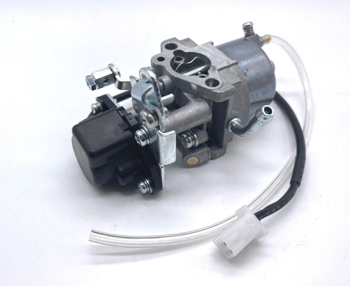 Yes; if you have a modern electronic portable generator at your disposal, you can attach a replacement stepper motor to the small gearbox to control the engine throttle. The OEM part will read changes in electrical load and physically adjust the carburetor throttle plate to influence the engine speed and produce clean, continuous AC power.
How Often Should You Replace Your Generator’s Stepper Motor?
Generator stepper motors have an expected lifespan between 10,000 and 20,000 operational hours. The exact replacement timeframe depends largely on how often you use it and how well-maintained your unit is. With proper care, the generator part should be in working condition for decades, requiring a replacement only when you notice signs of damage.
What Happens if Your Generator Stepper Motor Breaks?
If your stepper motor fails, it will lose control over the carburetor throttle. Any form of breakage will cause immediate and evident problems, signaling to you that you should turn the equipment off and wait for further assessment.
Signs Your Generator Stepper Motor Needs Replacing:
- Engine surging
- Overspeed/underspeed
- Clicking or humming sounds
- Failed resistance tests
- Visible mechanical binding
What Are the Main Limitations for Generator Stepper Motors?
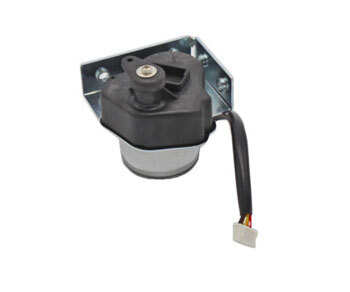 Just because replacement stepper motors can improve the function of your generator doesn’t mean they’re without their drawbacks. In full transparency, there are two notable limitations to keep in mind: heat generation and resonance.
Continuous operation of your generator at high speeds can cause unwanted heat generation and build-up. While a replacement motor is designed to control fuel consumption and manage the temperature of your unit, high heat can lead to magnetic loss, winding damage, thermal expansion, and reduced efficiency overall. If you begin to notice that the surface temperature of the motor becomes too hot to touch within minutes of use, turn your system off and search for the problem.
The subtle, step-by-step movements that give the motor its ability to accurately position itself lead to vibration, audible noise, and sometimes, lost steps or stalling. To combat this inevitable inertia and reduce the likelihood of stepper motor resonance, try making the motor’s step size smaller through a control method known as microstepping.
How to Select the Right Stepper Motor for Your Model
When it’s time to buy a Generac stepper motor for your unit, it’s important to remember that it’s not a one-size-fits-all method. Instead, you’ll want to verify that the part is both compatible with your model and labeled as OEM. The last thing you want is to spend hundreds on an aftermarket generator part, only for it to croak in the first few uses or damage your equipment.
Factors to Consider When Buying a Replacement Stepper Motor for Your Generator:
- Sizing
- Current limit
- Cooling
What’s the Best Way to Find the Properly Sized Generator Stepper Motor?
First, you’ll need to pay attention to sizing. Pick a motor with enough holding torque to allow your electric load to move at the desired speed.
To make sure it physically fits in your equipment, you’ll want to match the frame size to your machine’s space limits. If you’re not sure whether something fits, you can always contact us for help.
Why Does the Current Limit Matter in a Replacement Stepper Motor?
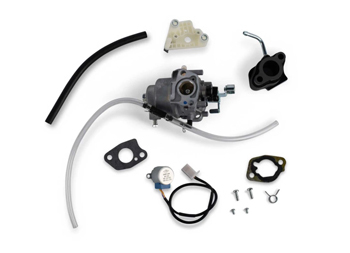 In order to prevent overheating, you’ll need to adjust the current limit within the required parameters. Start by adjusting the driver current limit to match the motor’s rated phase current. If your system runs cool enough, lower the current slightly; if it starts to skip steps under load, make the current a little higher.
Note: Whatever you do, never set the current higher than the motor’s described max limit, as it increases the risk of irreversibly damaging the magnets.
What is the Importance of Cooling in a Generac Stepper Motor?
Since stepper motors continuously draw electrical current, even at a standstill, ensuring that the motor mounting area has access to good airflow is crucial to keeping your generator safe. The goal of thermal cooling is to keep the replacement stepper motor below its max rated limit (that typically falls between 85 and 100 degrees Celsius).
If the magnets in the motor begin to overheat, it will lead to binding or stepping errors, power drops, and unstable RPMs. If you notice your stepper motor begins to run too hot, you can attach an aluminum heat sink to the motor body.
Why Should You Buy an OEM Stepper Motor?
Purchasing an OEM (original equipment manufacturer) stepper motor promises precise integration and factory-backed reliability you just can’t experience when using an aftermarket generator part. If you have a Generac model, you need an OEM stepper motor that was built to match the exact specifications of your unit. Guaranteed to hold the necessary amount of torque and made to last, these OEM parts are worth every penny.
When it’s trusted OEM parts and generator stepper motors you’re looking for, there’s only one place worth shopping. Find your future replacement stepper motor and upgrade your system at Generator Magic today.