

Generators are one of those things you don’t think about until you really need one, and when that moment comes, the last thing you want is a part failure you could have prevented. Whether you’re a homeowner keeping a standby unit ready for storm season, a contractor running equipment on a job site, or a technician servicing units daily, understanding your generator parts is the foundation of keeping any unit running reliably.
At Generator Magic, we’ve built our business around making it easy to find the right generator OEM parts for your model. Whether you’re doing routine maintenance or trying to fix generator problems before they become costly, knowing what’s inside your generator, how the systems connect, and which components wear out first puts you in control.
What are the Core Systems of a Generator?
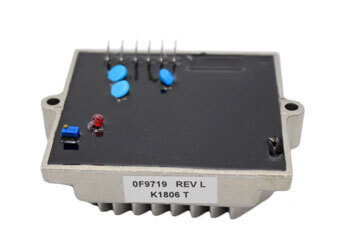 A generator isn’t just a single machine; it’s a collection of interconnected systems that each play a specific role in producing power. Understanding generator basics and how these systems work together makes it much easier to diagnose problems and identify which generator parts need attention.
5 Main Generator Systems:
- Engine – The mechanical power source, typically gasoline, diesel, or propane-fueled. Everything else depends on the engine running cleanly and consistently.
- Alternator/generator head – Converts the engine’s mechanical energy into electrical output. This is the component that actually generates the electricity that powers your equipment.
- Fuel system – Manages fuel storage and delivery to the engine. A clogged or failing fuel system is one of the most common causes of performance issues.
- Voltage regulator – Stabilizes the electrical output to protect connected equipment. Without it, power surges can damage both the generator and whatever is plugged into it.
- Control panel – The user-facing interface housing switches, meters, and circuit breakers. It’s how you monitor and control the unit’s operation in real time.
When something goes wrong, the problem can almost always be traced back to one of these five systems. That’s why it helps to think in terms of systems first and individual generator parts second, since a single failing component can affect the performance of an entire system.
What is the Difference between Standby and Portable Generators?
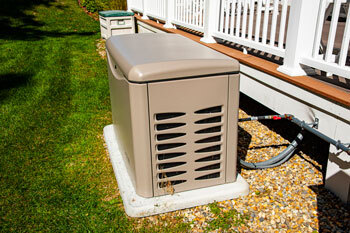 The two most common generator types are standby and portable, and while they share the same core systems, they’re built for very different use cases. Standby generators are permanently installed units that automatically kick on when power goes out, making them a popular choice for homeowners and businesses that need reliable backup power without manual intervention.
Portable generators are smaller, fuel-fed units that you start manually and move where needed. They’re commonly used on job sites, at campsites, or as a backup during occasional outages.
The distinction matters when sourcing generator parts because the two types don’t always share the same components. Standby units tend to have more sophisticated electrical components, such as control boards, automatic voltage regulators, and battery systems, that portable units either simplify or omit entirely. Knowing which type of generator you’re working with before you order any generator OEM parts is an important first step, since the part number from one type will rarely cross over to the other.
What Are the Key Generator Parts and What Do They Do?
Most generator repairs and maintenance jobs come down to a fairly consistent set of components. It helps to break down these generator parts, so you know where to look when something isn’t right. Once you’re familiar with them, knowing how to fix generator problems becomes a lot less intimidating.
What do Generator Spark Plugs and Ignition Components Do?
Spark plugs ignite the fuel-air mixture inside the engine cylinder. Without a strong spark, the engine won’t start or will run poorly.
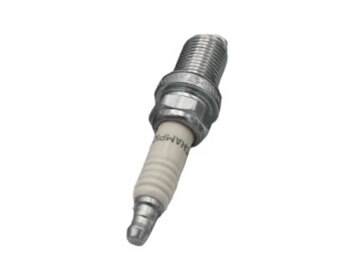 They’re inexpensive replacement parts, easy to swap out, and should be part of any routine maintenance schedule. Ignition components like the coil and kill switch work alongside the spark plug, so if a plug swap doesn’t solve the problem, those are the next generator parts to check.
What’s the Purpose of Carburetors, Fuel Filters, and Fuel Lines?
These generator parts work together to deliver clean fuel to the engine. A clogged carburetor or dirty fuel filter is one of the most common reasons a generator runs rough, surges, or won’t start at all. Fuel lines are easy to overlook but can crack and degrade over time, so sourcing quality generator OEM parts makes a real difference in longevity.
Generator Air Filter and Oil Filter
Air filters and oil filters keep contaminants out of the engine and are the foundation of any good maintenance routine. Neglecting these generator parts is one of the fastest ways to shorten the unit’s lifespan.
Most manufacturers recommend inspecting both after every 50 hours of use or at least once per season. Always replace them with OEM generator parts to ensure the right fit.
The Role of Automatic Voltage Regulator (AVR) and Capacitors in Generators
Voltage regulators and capacitors are the core electrical generator parts responsible for clean, stable power output. If your generator is running but not producing power, these are the first places to look when trying to troubleshoot generator problems. A failed capacitor is a surprisingly common issue and one of the more straightforward replacement part swaps for an experienced technician.
Circuit Breaker Basics
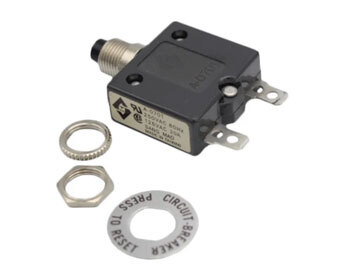 Circuit breakers protect the unit from overloads and are often the first generator parts to check when a unit trips or loses power unexpectedly. They’re a simple but critical line of defense for both the unit and any connected equipment. If a breaker keeps tripping, it’s usually a sign of an underlying issue rather than a faulty breaker itself.
The Importance of Recoil and Electric Starters in Generators
Starters get the engine turning, and when either fails, the unit won’t start, regardless of what else is working. Recoil starters are mechanical and can be worn out with heavy use, while electric starters depend on a healthy battery to function. Both are straightforward generator OEM parts that can save you from a costly service call if you’re comfortable replacing them yourself.
Understanding Brushes and Bearings
Brushes and bearings play a quiet but important role in keeping the alternator running smoothly over time. Worn brushes are a common culprit when trying to fix generator output problems, and they’re often overlooked in favor of more obvious generator parts. Catching bearing wear early through unusual noise or vibration can prevent much more serious alternator damage down the line.
What are Generator Control Boards and PCB Boards?
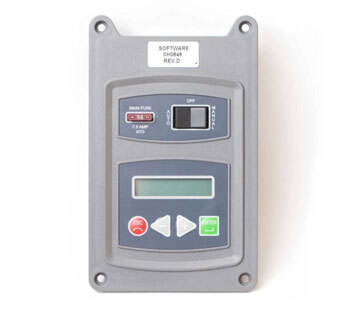
The control board is essentially the brain of a modern generator, managing everything from automatic startup to error code reporting. When a control board fails, the symptoms can be wide-ranging and difficult to diagnose without understanding what the board actually does. Replacing a faulty board with a genuine generator OEM part is one of the most important times to get the exact right component, since an incompatible board can cause more problems than it solves.
Generator Batteries and Battery Chargers
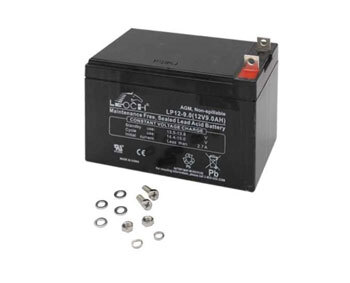
Standby generators rely on a battery to trigger the automatic start sequence when the power goes out, making it a very failure-prone part of the system. A weak or dead battery is a surprisingly common reason a standby unit fails to start when it’s needed most. Keeping a battery charger on hand and testing the battery regularly are among the simplest ways to avoid failure.
Why Do OEM Generator Parts Matter?
 When it comes to sourcing generator parts, not all components are created equal. Generator OEM parts are made to the exact specifications of your unit, meaning the fit, materials, and performance tolerances are all designed with your specific model in mind. That precision matters more than most people realize, especially in a machine where one undersized gasket or an off-spec voltage regulator can cause cascading problems across the entire system.
The risk with non-OEM parts isn’t always obvious upfront. A cheaper aftermarket component might look identical and even function fine for a while, but when it fails prematurely or causes damage to surrounding generator parts, the cost savings disappear quickly. Sourcing genuine generator OEM replacement parts from a trusted supplier like Generator Magic means you know exactly what you’re getting, with no guesswork about compatibility and no risk of counterfeit components that look right but aren’t built to last.
How Do You Troubleshoot Your Generator?
When issues with your generator arise, the instinct is often to jump straight to the most complex possible cause. In practice, most generator problems follow a predictable pattern, and working through them in the right order saves time, money, and frustration. Knowing your generator parts and starting simple is almost always the faster path to getting your unit back online.
7 Steps for Diagnosing Most Generator Issues:
- Check the basics first – Fuel level, oil level, and battery charge should always be your starting point. A surprising number of no-start calls come down to one of these three things.
- Move to wear items – Spark plugs, air filters, fuel filters, and fuel lines are parts that degrade with regular use. They’re easy to inspect, fairly inexpensive replacement parts, and should be swapped out before digging any deeper.
- Test the electrical output components – If the engine runs but isn’t producing power, focus on the AVR, capacitors, and brushes before going further. These are the most common culprits behind a generator that runs but won’t produce electricity.
- Check the circuit breakers – A tripped breaker is one of the most overlooked causes of lost output and takes seconds to diagnose. If a breaker keeps tripping after reset, there’s likely an underlying issue worth investigating.
- Inspect brushes and bearings – Worn brushes or failing bearings in the alternator can be the hidden culprit behind inconsistent or absent power output. They’re generator parts that are easy to overlook but worth checking before calling in a technician.
- Look at the control board – Control board failures can mimic a wide range of other issues, making them easy to misdiagnose. Ruling everything else out first saves you from replacing an expensive component unnecessarily.
- When in doubt, consult the diagnostic manual – Generator Magic carries both digital and physical diagnostic manuals to help fix generator problems with confidence. Having the right documentation on hand can be the difference between a quick fix and an unnecessary service call.
When Should You Replace Each Generator Part?
 Staying ahead of part failures is almost always cheaper than reacting to them, and most parts have a predictable service life if you’re running your unit regularly. The challenge is that most people don’t closely track runtime hours, so maintenance often gets deferred longer than it should. The guide below will help you stay on track with preventative generator maintenance for your generator parts.
Guide to Replacing Generator Parts:
- Spark plugs – Every 100-200 hours.
- Air filter – Every 100-200 hours.
- Oil filter – Every 50 hours or once per season.
- Fuel filter – Every 100-150 hours.
- Battery (standby units only) - Test annually, replace every 3-5 years.
- Belts and spark plug wires – Inspect annually, replace as needed.
A good rule of thumb is to fix generator wear items on a calendar schedule rather than waiting for symptoms, particularly for standby units that may sit idle for long stretches. Generator Magic’s maintenance kits bundle the most commonly replaced generator OEM parts together for your specific model, so you’re not hunting down individual components every time service is due.
Understanding your generator parts doesn’t require an engineering degree; it just requires knowing where to look and what to look for. From the core systems that make a unit run to the individual replacement parts that wear out over time, a little familiarity goes a long way toward keeping your generator reliable when it matters most. The difference between a generator that starts on the first try and one that lets you down is usually consistent maintenance and the right OEM generator parts when something needs replacing.
Generator Magic exists to make that part easy. Whether you’re stocking up on wear items before snowstorm season, trying to fix generator issues on a unit that’s acting up, or tracking down a specific generator OEM part by model number, everything you need is in one place. A well-maintained generator is a reliable generator, and reliable power starts with knowing your machine.