
A big storm blew through, knocking out power. And what did you do? You cranked on your generator and breezed right through the outage. But when the lights came back on, did you take steps to ensure it’ll work the next time the wind starts to howl?
When your power goes out, you don’t want to worry if your generator will start or not. By following preventative generator maintenance steps before and after use, you can guarantee that your generator will support you time and time again so you can focus on the things that matter most.
What is Preventative Generator Maintenance?
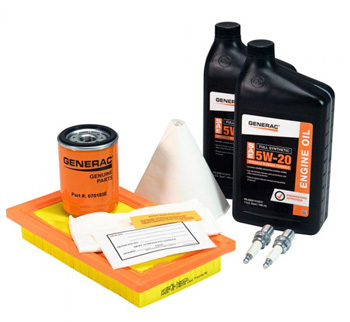 Preventative generator maintenance is a way to service your generator to avoid potential problems. It is essential that generator problems are not only taken care of when they crop up but steps are taken beforehand so that these issues can be prevented. By taking care of regular generator upkeep and maintenance, you can help ensure your system operates efficiently and reliably for years to come.
5 Steps to Prevent Generator Issues:
- Check startup mode
- Inspect fluid levels
- Test the battery
- Look for alarms
- Keep fuel lines clean
1. Check the Generator Startup Mode
The startup mode of your generator determines how and when the generator will operate. For a home standby generator, the startup mode can either be manual, automatic, or off. When in automatic mode, the generator monitors your home’s utility power. If an outage occurs, it automatically starts, supplies power to your home, and then switches back to utility power when service is restored. To ensure your standby generator functions properly during an outage, it’s important to keep it set to automatic mode to prevent generator issues in running the system.
To switch your home standby generator to automatic startup mode, unlock and lift the generator cover. Then, go to the control panel on your generator. Press the green button labeled auto, and your generator will switch to ready to run.
It is recommended that you check the startup mode status once each week to practice preventative regular maintenance. For most portable generators, these startup modes do not apply as they are turned on manually.
2. Inspect Generator Fluid Levels
 Another key to preventing generator problems with basic generator maintenance is checking the fluid levels. Three different types of fluids may need generator service:
- Oil
- Fuel
- Coolant
How to Check Generator Oil Levels
When you’re running your generator, it is important to check the oil level daily. Many generator issues and shutdowns can occur when your oil level gets too low, so troubleshooting generator problems in advance is the best way to stay secure in a power outage.
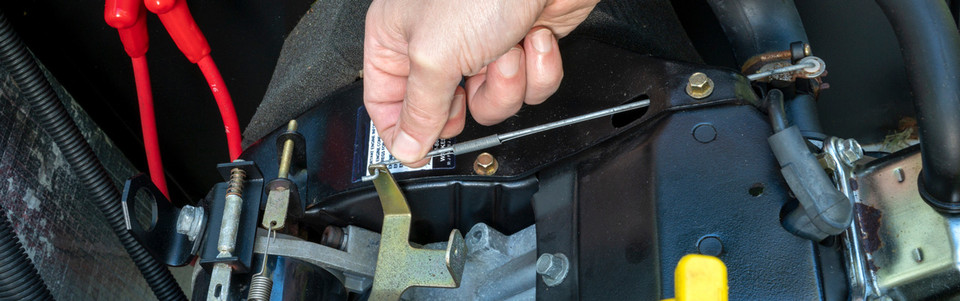
To service your generator and check the oil level, turn off the generator and the main line circuit breaker completely. Allow the generator to cool down if it is running and wait five minutes. Remove the oil dipstick, wiping it dry with a clean cloth before completely inserting it into the dipstick tube and removing it to examine the level.
The oil level should be at the full mark, but if not, remove the oil cap and fill as necessary. It is important to conduct this maintenance at least once a month with the proper generator maintenance supplies when not running and every 12 hours when running. This will prevent future generator problems that you may have when operating your system.
How to Check Generator Fuel Levels
Checking the fuel levels of your generator should be another routine generator maintenance tip to follow to prevent future generator issues. If your generator runs out of fuel, it will stop working, so it is essential to regularly service your generator and keep an eye on its fuel levels.
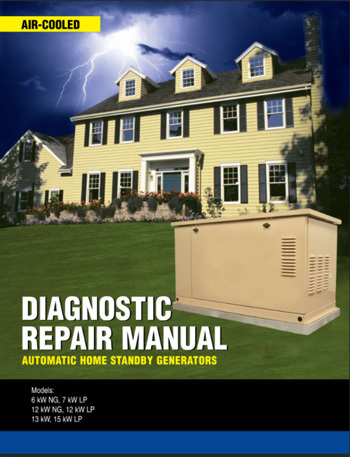
Before performing any generator service, make sure your generator is completely turned off and cooled down; consult the generator diagnostic manual if you have any questions. Then, locate the fuel gauge found on the generator’s control panel. Read the gauge, noting the percent or fraction of fuel displayed.
Refill the fuel if the fuel level is low and occasionally check it with a manual dipstick, like the oil level, to guarantee that your built-in fuel gauge is accurate. It is essential to service your generator and prevent generator issues by checking the fuel level before each use or every 10 to 15 hours.
How to Check Coolant Levels
 Keeping the proper coolant levels maintained in your generator is crucial for ensuring your generator stays cool and preventing overheating and other generator problems. Overheating may cause your generator to shut off, so checking the coolant level is an important piece of preventative generator maintenance.
Once again, before undergoing this generator service, ensure your system is shut off and completely cooled down. Then, find the coolant reservoir on your generator and look at the coolant level indicator. If the level is low, top off the coolant by removing the reservoir cap and slowly pouring the appropriate coolant in.
After securely fastening the cap and inspecting for leaks, you may run your generator. Check if the coolant of your generator needs service every month.
3. Testing the Generator Battery
Another essential step to prevent potential generator problems is regularly testing your generator battery, which is crucial for starting your generator. Visually inspect your battery (in your powered-down and cooled-off generator) for any cracks, leaks, or swelling. After inspecting the battery, look at the terminal condition and ensure there is no corrosion, it is clean, and the battery fits snug.
If your generator uses a flooded lead-acid battery, ensure the generator battery electrolyte levels are correct, topping them up if needed to prevent generator issues. (Skip this step if your unit uses a sealed AGM or maintenance-free battery.)To test that your battery is working after your inspection, use a load tester every six months to check the battery’s condition.
4. Look For Alarms
Alarms or generator error codes may occasionally pop up to alert you to generator issues the system might be having. To prevent last-minute generator troubleshooting, it is important to solve these issues right away.
Troubleshoot your generator problems by using your diagnostic manual and becoming familiar with the different warnings and indicator light statuses. By regularly looking for alarms on your system and knowing when to service your generator, you are practicing preventative generator maintenance that can help you avoid generator problems.
5. Keep Generator Fuel Lines Clean
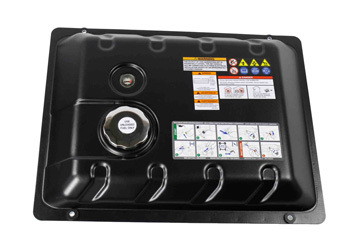 The last step to preventative generator maintenance is keeping your fuel lines clean and unclogged. Fuel lines allow fuel to enter the engine and run your generator, which is a vital part of your system. Having clogged fuel lines is one of the common generator problems that you should seek to avoid.
To reduce fuel line clogs and properly service your generator, it is important to use clean fuel while running your generator and to empty your fuel tank after use. Old fuel sitting in the fuel tank can cause many generator issues and damage your system. Always keeping fresh fuel on hand and making sure to fully empty the fuel tank and line is an easy way to prevent future breakdowns.
Using these preventative generator maintenance steps, you can avoid panicked generator troubleshooting and scrambling to get your generator up and running when you need backup power. If you properly service your generator in advance of problems that can occur, you won’t doubt your generator’s capability to provide power.