
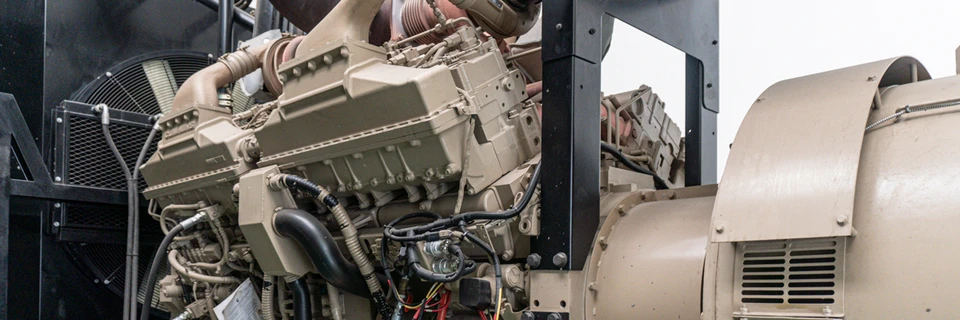
If you’ve ever faced extreme weather disasters or a power outage, you know just how crucial it is to have a working generator on standby. But do you fully understand the components working tirelessly during the event to keep everything running smoothly? Today, learn everything there is to know about one vital part: the generator radiator.
What is a Generator Radiator?
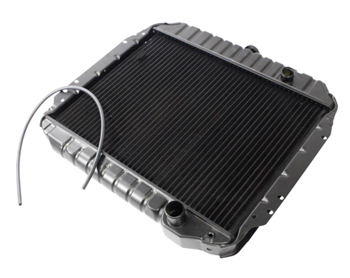 Generator radiators are a form of heat exchanger made specifically to remove heat from engine coolant and release it safely into the surrounding air. Designed to prevent liquid-cooled systems from overheating, generator radiators are essential for reducing the heat created during operation.
Types of Generator Radiators:
- Engine-driven radiators: A generator radiator that is mounted directly on the equipment skid and powered mechanically by the engine fan. This type is perfect for areas with great ventilation.
- Remote radiators: A generator radiator implemented off of the unit and connected using external piping and auxiliary pumps. This type is best for areas with space-restricted and noise level concerns.
What Does a Generator Radiator Do?
When a generator produces energy, it creates immense levels of heat. If left alone, that heat has the potential to damage the engine and surrounding components.
A generator radiator is designed to cool down the liquid fuel and maintain a healthy temperature within the unit. By focusing on different areas of the same heat-reducing cycle, generator radiators have a significant impact on how fast and how well a unit cools.
Main Functions of Generator Radiators:
- Heat dissipation: Radiators remove excess thermal energy from the coolant to expel it into the air outside the unit.
- Temperature regulation: Radiators ensure a stable operating temperature before, during, and after a heavy load.
- Damage prevention: Radiators stop the equipment from overheating, protecting vital internal and external components from irreversible warping and complete system failure.
What Kinds of Generators Need Radiators?
A generator only needs a Generac radiator if it is liquid-cooled, such as a large industrial system running on diesel or a smaller, at-home unit that relies on natural gas. Most residential units and portable generators are air-cooled, meaning they do not have the coolant and water pumps that necessitate the need for a radiator system. Instead, these designs use a combination of external fins and a built-in fan to blow air over the engine cylinder.
How Does a Generator Radiator Work?
When combustion occurs in a liquid-cooled generator, the fuel creates a large amount of thermal energy, only part of which is converted into power. The remaining heat is absorbed into engine coolant as it circulates throughout internal passages. When a Generac radiator is in place, that now-heated coolant is pumped towards the radiator inlet tank, flowing through multiple tubes inside the radiator core and touching thin metal fins that increase the surface area for the looming heat transfer.
As the coolant moves throughout the tubes and the heat moves into the walls and fins, a cooling fan forces ambient air through the core of the generator radiator, removing the heat and lowering the temperature of the coolant before it leaves the radiator and returns to the engine through a lower hose. The cycle will continue as long as the generator is operated.
Components in a Generator Radiator:
- Radiator core
- Metal fins
- Header tanks
- Side plates
- Cooling tubes
- Mounting brackets
How Do Radiators Make Generators More Efficient?
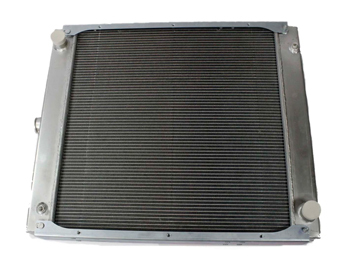 Believe it or not, having a high-quality Generac radiator installed on your unit is the best way to improve overall equipment efficiency. By preventing thermal energy losses and keeping the engine at a stable temperature, generator radiators make it possible to optimize combustion levels and avoid pesky power drops during use. Without a generator radiator in place, you’re putting your precious system at risk of failure and damage.
What Happens When a Generator Radiator Breaks?
When Generac radiators break or begin to wear down, it’ll be immediately evident. Fluid will start to escape from the closed cooling circuit, either pouring out of the equipment or evaporating. Once that fluid is gone, the unit will not be able to absorb combustion heat, causing the engine’s temperature to spike within minutes of taking on a load. This can cause irreparable damage, high levels of corrosion, and even electrical short circuits.
While most modern models have temperature safety sensors designed to trigger emergency shutdowns in these cases, not all of them do. That’s why professionals recommend familiarizing yourself with the warning signs of radiator damage early on in your ownership.
Signs It’s Time to Replace Your Generac Radiator:
- Noticeable overheating: If the engine seems to run hotter than normal and the coolant level and fan are within operating norms, it may be the Generac radiator.
- Visible coolant leaks: If wet spots and residue begin to appear around the radiator core and seams, the radiator may have a structural issue and is unable to contain coolant.
- Temperature fluctuations: If the unit is struggling to regulate heat during transitional load states, the Generac radiator is not doing its job.
How Often Should You Inspect Your Generac Radiator?
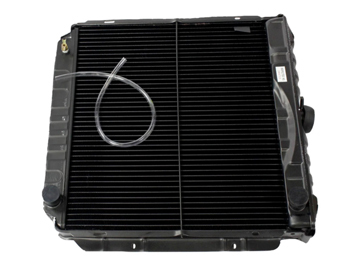 In order to protect the lifespan of your generator, it’s important to create (and stick to) an inspection schedule. Every month, try to check coolant levels and clear leaves and debris from around the radiator core and enclosure, examining it even more closely at the start of each season. In terms of annual generator maintenance, every 100 or so hours of operation, we recommend requesting a professional servicing to ensure every single component is up to snuff for future use.
Maintenance Tips for Generac Radiators:
- Tip #1: Schedule periodic checks (either as the owner or through a professional) for any wear, blockages, or leaks in or around the Generac radiator to make sure you catch any potential problems early.
- Tip #2: Keep the Generac radiator clean to prevent dust and debris from building up and disrupting efficiency levels.
- Tip #3: Maintain the correct level of coolant for your specific model, replacing it when it gets too old to run smoothly throughout the system.
Generators produce a whole lot of heat—but that shouldn’t put your equipment at risk! Now that you know more about the functions and benefits of using a Generac radiator, you can rest easy knowing your unit is safe all year long.