
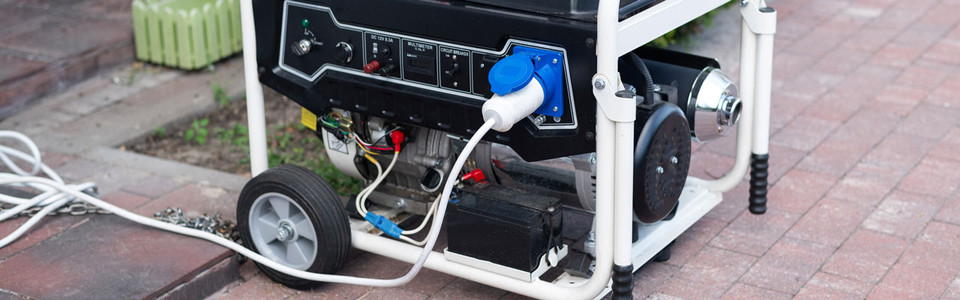
If you’ve ever experienced a power outage, you know just how stressful those initial moments of darkness can be. With a portable generator on hand, you don’t have to worry. You can walk to your garage, pull a cord, and watch your essential electrics hum back to life.
But have you ever stopped to wonder how this amazing piece of equipment works? What about what each individual part is responsible for? Getting the answers to these questions will provide you with a deeper understanding of a lifesaving system and help you feel prepared to face anything. Let’s deep dive into the whats, whys, and hows of portable generator parts together.
What is a Portable Generator?
 A portable generator is a device designed to provide electricity in areas without access to the large-scale power grid. These smaller units are not fixed to a single location and run off fuel, often gasoline, propane, or diesel. Equipped with wheels and handles for easy transport, these generators are an on-the-go alternative to traditional standby home generators.
What Can You Power with a Portable Generator?
There are endless uses for portable generators. Whether your town was just hit with a natural disaster and your home is in a blackout zone, or you’re searching for a reliable way to power up tools on a construction site, portable generators provide you with the power you need. Just make sure the appliance you’re attempting to connect fits in the expected running watts range.
5 Ways People Use a Portable Generator:
- Powering on appliances: refrigerators, sump pumps, freezers, etc.
- Providing additional comfort: lights, fans, TVs, computers, space heaters, etc.
- Elevating camping experiences: electric grills, mini-fridges, coffee makers, phone chargers, etc.
- Plugging in power tools: power saws, drills, work lights, air compressors, etc.
- Buffing up medical support: CPAP machines, electric wheelchairs, nebulizers, patient lifts, etc.
What Parts Make Up a Portable Generator?
Portable generators must create their own energy. But how? Every single individual portable generator part works together to help turn fuel into usable electricity. Understanding what makes these components tick will give you a leg up the next time you need to order a replacement Generac generator.
Portable Generator Parts and Their Purpose:
- Engine
- Alternator
- Fuel system
- Control panel
- Voltage regulator
- Starter
- Frame
- Muffler
- Choke
- Cooling system
- Transfer switch port
- Spark arrestor
- Wheel kit
What Does the Engine in a Portable Generator Do?
 As far as portable generator parts go, the engine is often seen as the unit’s primary power source. The engine combusts fuel in order to create high levels of rotational motion (otherwise known as mechanical energy). When the fuel burns inside the engine’s cylinders, it pushes pistons up and down to turn the heavy metal crankshaft, resulting in a spinning motion that the rest of the energy relies on.
Since it is impossible for a portable generator to pull electricity directly from the fuel, the engine is a vital component of the entire system. Without it, the unit will immediately stop producing power, rendering it instantly useless.
What is the Alternator Part in a Portable Generator?
The alternator is the portable generator part responsible for turning mechanical energy into electric energy. After the fuel combusts in the engine, the alternator puts the spinning motion from the engine’s crankshaft through an electromagnetic induction process. This process converts it into a usable electric current.
Located right next to the engine, the alternator portable generator part is made up of two main pieces: the rotor, a spinning magnet connected to the crankshaft, and the stator, a ring of copper wire that coils around the spinning rotor. If these two components fail to interact, the generator will have zero power output (though it may continue running).
What Portable Generator Parts Make Up the Fuel System?
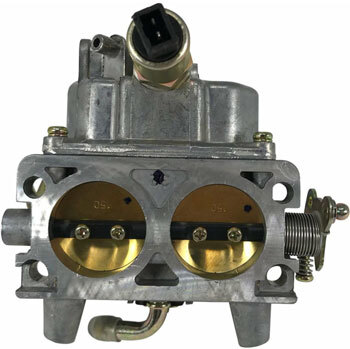
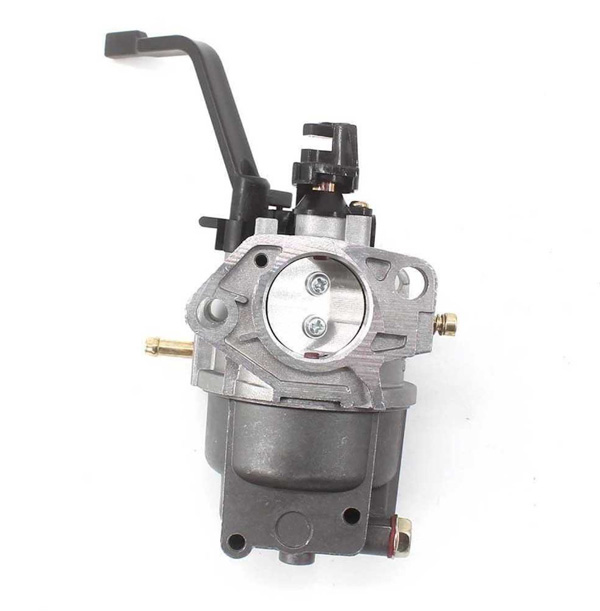 No unit can run without a catalyst. For portable generators, that’s the fuel. Though the exact design of a fuel system depends on the make and model of each system, this portable generator part is typically made up of a durable tank, fuel lines, valves, air filters, and a carburetor. Together, these small pieces store, clean, and deliver fuel to the engine in precise amounts.
While every single component within the fuel system is vital, the carburetor calls the shots. This portable generator part pulls in outside air and mixes it with a tiny mist of fuel to create the perfect ratio. If the fuel system fails for any reason, your unit may fail to start, surge while running, or begin to leak hazardous materials.
What is the Portable Generator Control Panel?
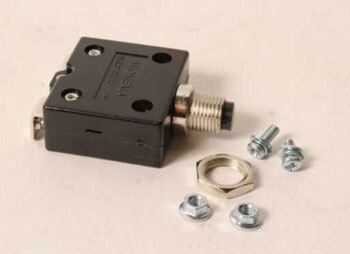
The control panel is the portable generator part you’ll interact with the most. It acts as a dashboard, providing you and your operators with access to the information you need to assess your portable generators' current status. Without a working control panel, managing your power and maintaining your generator is chaotic.
Information Included on a Generator Control Panel:
- Power outlets: places where you can plug in cords for appliance connection
- Hour meter: a spot that counts the total hours the engine has run, similar to an odometer
- Circuit breakers: safety switches that instantly trip and cut power when the demand gets too high
- Oil sensors: a preventative measure that monitors the engine oil level, shutting off the engine when the oil drops below a safe line
What is the Automatic Voltage Regulator in a Portable Generator?
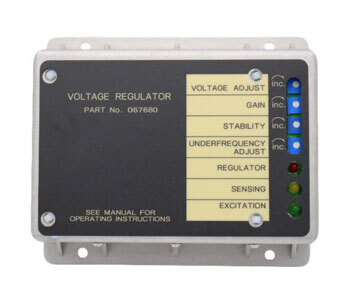
The automatic voltage regulator (AVR) is a portable generator part made to act as a guard. If the engine speeds up or slows down after a heavy load, the power stemming from the alternator shifts. AVRs continuously check this voltage, adjusting the magnetic field inside the rotor to handle any voltage fluctuations that may occur and protect your equipment.
What is the Starter in a Portable Generator?
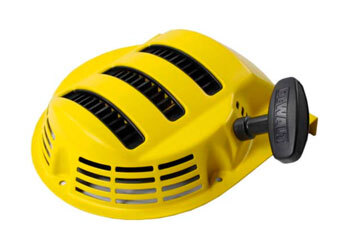 A portable generator starter turns over the engine to begin the important combustion process. Smaller, more affordable generators typically have a manual pull-cord or recoil start, like an old lawnmower, whereas premium models run off an electric starter, like a push-button or key switch. When you’re ready to use your portable generator, just locate the starter and kick it into gear!
What is the Portable Generator Frame?
Think of the frame as the skeleton of your system. The structural portable generator part houses, protects, and secures all internal components. Typically made from durable, high-quality materials, frames can either be open, fully exposing the engine and other parts, or closed, encasing everything valuable within a protective shell. The design you choose is largely affected by how you intend to use the mechanism.
What Does a Muffler Do in a Portable Generator?
Mufflers are designed to reduce noise pollution. Installed on the engine exhaust system, this portable generator part breaks up and silences sound waves during combustion, helping the unit run quietly. If your equipment begins producing excessive noise, you’ll need to look for replacement Generac generator parts.
What is the Choke on Portable Generators?
When you’re cold starting your unit, you’ll need a richer fuel mixture to ensure the engine starts and runs until it reaches an operable temperature. This is where the choke comes in.
This portable generator part helps regulate the air-fuel ratio in an engine by restricting the amount of air from entering the carburetor. To create a stronger vacuum to improve fuel draw at a low cranking speed and vaporize the proper amount of fuel, you’ll want the choke to be “on” to restrict the airflow. If you’re starting your system up like normal, you can leave it “off,” which allows for maximum airflow.
How Does the Cooling System Work in a Portable Generator?
Portable generator parts primarily rely on air-cooling, rather than liquid coolant. The cooling system makes sure that when the machine gets too hot, an engine-driven flywheel fan rotates to pull in cooler ambient air, forcing it over the engine block to dissipate the heat. Low maintenance, cost-effective, and compact, the air-cooling system has become commonplace across the board for Generac generator parts.
What Does the Transfer Switch Port Control in a Portable Generator Do?
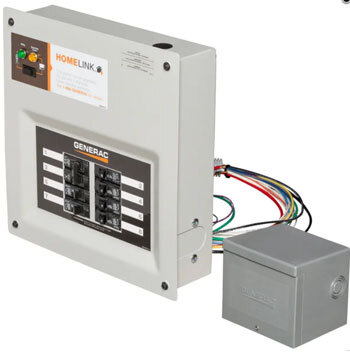 The specialized, weather-resistant plug connection known as the transfer switch port is designed to eliminate the need for unsafe extension cords running from the unit to the appliance. This power inlet connects the portable generator to your home’s electrical panel and can be found in a variety of standard plug shapes.
What Does the Spark Arrestor in a Portable Generator Do?
When it comes to portable generators, safety is key. The small mesh screen, named the spark arrestor, has a sole purpose: to trap and cool carbon embers and exhaust particles before they can escape.
They help reduce the risk of starting a wildfire or igniting flammable materials nearby. If you intend to run a generator in a wooded area, national park, or campsite, most state and federal fire codes require you to have a working spark arrestor within your unit.
What Are Portable Generator Wheel Kits?
A wheel kit makes transporting a heavy or bulky portable generator easy. This kit typically includes two wheels, a foldable handle, mounting hardware, and support legs. If you’re someone who brings your unit on the go, it’s worth investing in this additional portable generator part.
How Can You Tell When a Portable Generator Part Needs to Be Replaced?
Even the most robust portable generators will experience wear and tear. Internal portable generator parts, from the automatic voltage regulator to the engine and beyond, will degrade over time, especially if they are used frequently. When this happens, you don’t have to buy a brand new generator—just a few replacement parts.
Don’t leave your unit unchecked. Avoid costly breakdowns, irreversible damage, and engine failure by learning to identify the warning signs.
Signs It’s Time to Replace a Portable Generator Part:
- Hard starting: If your portable generator stalls right after running or it requires multiple attempts to start, it likely has dirty filters, a clogged carburetor, or a worn-out spark plug
- Inconsistent power: If your portable generator is suddenly unable to run appliances it has in the past or you notice flickering lights, the voltage regulator is likely to blame
- Abnormal noises: If you hear any loud knocks, clanks, or grinding, your portable generator may have loose or severely worn internal parts
- Odors or smoke: If your portable generator smells like it's burning or gives off black smoke, it’s either overheating or the fuel-to-air mixture is too rich
- Fuel leaks: If your portable generator exhibits signs of dripping or pooling fuel outside the frame, it might mean the internal seals, gaskets, and lines are compromised
Choosing OEM Generac Generator Parts vs. Aftermarket Generator Parts
 When it’s time to buy a replacement Generac generator part for your unit, it can feel tempting to buy the cheapest piece you see. The price tag of the affordable portable generator parts known as “aftermarket” parts may sway shoppers, but it rarely turns out well.
Aftermarket generator parts have a growing reputation for their lesser quality, shorter lifespan, and reduced performance rates. On top of their inferiority, implementing an aftermarket part can often void your Generac portable generator’s warranty, leaving you unprotected and out of luck should anything break in the future. Don’t risk damaging your equipment: buy OEM Generac generator parts instead.
OEM, or Original Equipment Manufacturer, is a replacement component that was designed, engineered, and built by the company specifically for each model. The OEM Generac generator parts provide you with an exact fit and guaranteed factory-standard reliability. If you want to invest in the future of your Generac portable generator, then buying OEM replacement parts is the only way to go.
What Info Do You Need to Buy Replacement Generac Generator Parts?
- Model number
- Serial number
- Part name (or a description)
Note: If you can’t find the right part number or don’t know how to determine which Generac portable generator you have, contact us. We’re happy to help complete this challenging task.
Now that you understand the inner workings of your powerful equipment, you can go off into the world feeling that much more prepared. At Generator Magic, we’re committed to providing you with the best OEM Generac portable generator parts on the market. Keep an eye and ear out for signs of trouble and browse online today.