
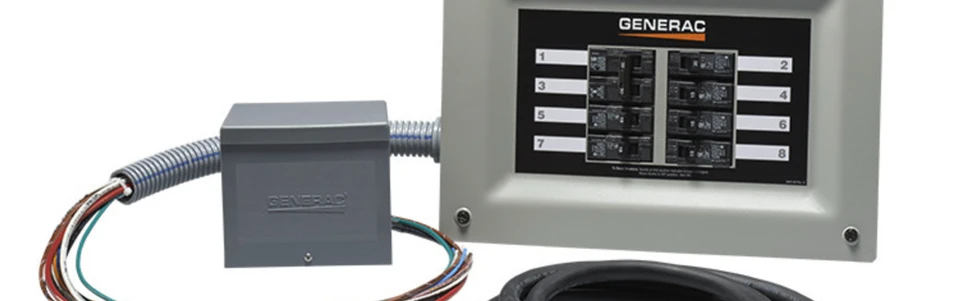
It doesn’t matter if you live in Tornado Alley or near a faulty grid—if you already have a unit on standby, you know just how important it is to have access to backup generator power. But have you ever put any thought into the additional equipment and accessories? If not, now’s your chance—learn everything there is to know about automatic and manual transfer generator switches today to optimize your generator’s use.
What are Generator Transfer Switches?
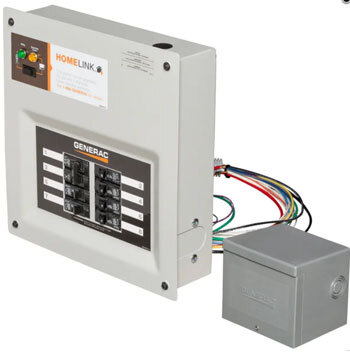 A generator transfer switch is an electrical device that safely connects and disconnects your backup generator to your home or business’s electrical panel. Think of the transfer switch as a miniature circuit breaker. By directing generator power to your circuits and safely isolating your home from the electrical grid, manual transfer generator switches make it easy to power hardwired and heavy-duty appliances during blackouts without the use of hazardous extension cords.
Do All Units Come with Manual Transfer Generator Switches?
While Generac transfer switches are included in standby generators, the part is typically treated as an accessory for portable generators, requiring a separate purchase. When you’re buying a generator, make sure to check whether or not it is sold with this critical component. In many cases, having an automatic or manual transfer generator switch on your equipment is required by electrical code to prevent dangerous backfeeding.
What is the Main Function of a Generator Transfer Switch?
In simple terms, a manual transfer generator switch is designed to safely route electrical power loads between your backup generator and the local utility grid. Its sole responsibility is to ensure that the two power sources never feed into your home or business at the same time. By physically disconnecting your property from the grid before running the generator, you protect utility workers from fatal electrocution caused by backfeeding and gain the ability to restore power during a disaster.
When Is a Generator Transfer Switch Used?
Technically, a Generac transfer switch has two main instances where its abilities must come into play: switching power between grid service and a generator, and hooking up multiple generators. While grid-to-generator is the most common scenario, with the manual transfer generator switch continually monitoring utility voltage to signal the unit when to isolate and start-up, you may find yourself in need of connecting multiple units to balance power needs. In some cases, when a property has multiple utility service entries, specialized transfer switches will be used to shift the load between the independent grid sources to manage localized demand.
How Does a Generator Transfer Switch Work?
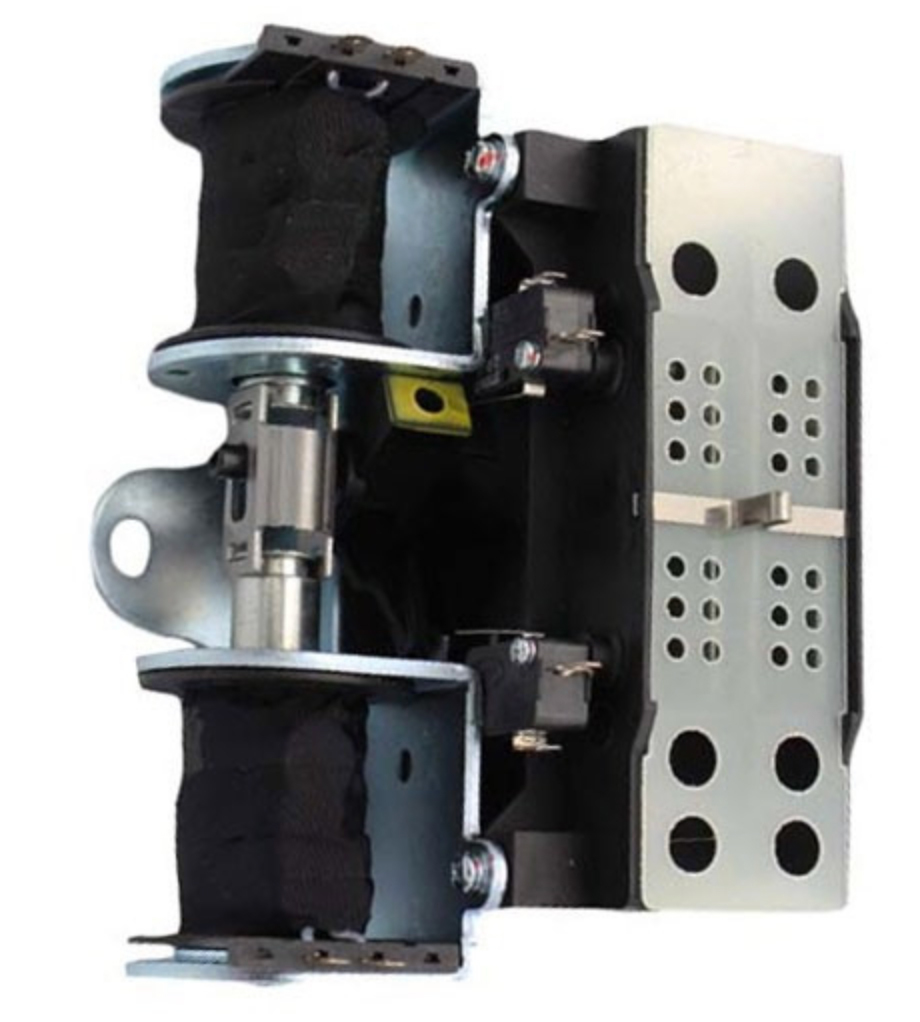 Generator transfer switches ensure your home will never be connected to the grid and the generator at the same time—but how? Designed to act as a double-throw relay, a Generac transfer switch, when signaled, physically breaks one flow of electricity for another.
When the utility grid goes down, and power to your home is cut, the automatic transfer switch instantly detects the issue, commands a start-up, and switches the load to your generator. If your machine has a manual transfer generator switch, you flip the main breaker on the switch from “line” or “utility” to “generator” to physically break the connection and restore power to individual devices, one at a time, to avoid overloading the system.
Why Are Generator Transfer Switches Important?
Automatic and manual generator transfer switches are an essential component for legal compliance, overall safety, and appliance protection. When people plug a generator directly into a wall outlet, they endanger the workers attempting to repair the grid, as the unmanaged electricity has the potential to flow backward into utility lines. If you decide to ignore an official electrical code, your home or business can fail inspection, which can lead to a void in your home insurance policy.
The best Generac transfer switches also help to stabilize power delivery, preventing voltage surges and fluctuations from damaging your precious TV, computer, refrigerator, and other vital devices when in use. If it’s a question of whether or not you need to buy a Generac transfer switch, remember the old saying: it’s better to be safe than sorry.
What Are the Different Types of Generator Transfer Switches?
Generator transfer switches can be broken down into three categories, each with distinct differences. Each allows for a safe, legal connection of power in its own way, mostly differing in either how they are operated or connected to the equipment itself.
3 Types of Generator Transfer Switches:
- Manual transfer generator switches
- Automatic transfer switches
- Specialized transfer switches
1. What is a Manual Transfer Generator Switch?
 A manual transfer generator switch requires an operator to actively flip a switch or lever to change power sources during an outage. When disaster strikes, you plug your generator into an exterior power inlet box and head to the indoor panel to toggle the switch from utility to unit power. When the grid is up and running again, you manually flip the switch back to its “line” position and turn off your equipment.
It should be noted that manual transfer generator switches cannot be used with home standby generators and are only compatible with certain portable models. The exact model you choose will depend on your generator’s specific kW ratings, outlet configuration, and how many loads you want to power, so we recommend figuring out what amperage rating fits your needs before making a purchase.
2. What Are Automatic Transfer Switches for Generators?
Used mainly in permanently installed standby home generators, an automatic transfer switch, often shortened to ATS, does all the work for you. Designed for modern standards, the automatic transfer switch monitors the grid 24/7.
When your area experiences power loss, it signals your unit to start up, safely switching your home’s electrical load to the generator after it reaches the proper voltage. Once the utility power returns, the switch shifts your home back to the grid and shuts the generator down, all on its own.
3. What is a Specialized Transfer Switch in Generators?
In high-uptime commercial environments, such as hospitals or server farms, automatic switches that are specially designed to handle large-scale operations are required. These can vary from industry to industry, but whether it’s an open transition ATS that briefly disconnects from one power source before connecting to the other or a closed transition ATS that connects both power sources simultaneously to ensure power flow is uninterrupted, these specialty designs are made to keep equipment and everyone involved safe.
Where Is the Generator Transfer Switch Usually Located?
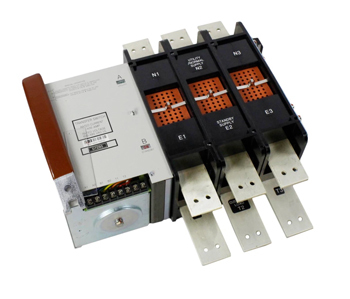 The exact location of a Generac transfer switch will vary greatly depending on the model. This vital accessory is typically installed within a few feet of the main electrical panel of a home or business, either in the basement, garage, or utility room.
If inside, it will be mounted on the wall next to the main circuit breaker panel. If it’s outside and contained inside a weatherproof generator enclosure, the switch will be located near the utility meter.
What Are the Common Problems with Generac Transfer Switches?
Generac transfer switches are complex yet crucial, safety components for standby and portable generators—but that doesn’t mean it's always smooth sailing. Like any important generator part, they have a few potential (yet manageable) problems that could occur. Studying these is the best way to be prepared should anything go wrong with your unit.
Top 7 Problems with Automatic and Manual Transfer Generator Switches:
- Failed transfer: often caused by faulty sensors, a tripped breaker, or ATS controller issues, the switch fails to detect a power outage or initiate the electrical load transfer to the generator unit
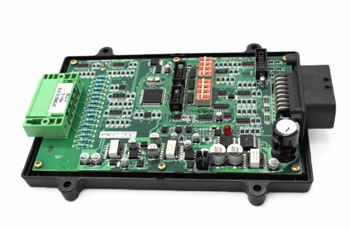
- Control board issues: happen when the vital electronics component of a Generac transfer switch fails due to power surges, lightning strikes, or component aging
- Faulty contacts: when electrical arcing causes contacts to weld together or wear out, they stop connecting to the generator itself
- Damaged connections: when vibrations cause terminals to loosen, or environmental moisture seeps in, Generac transfer switches can be corroded or experience signal interruption and spotty power flow
- Improper installation: when the wrong-sized switch or wiring is used, the manual transfer generator switch can cause overheating, failed transfers, and voltage dropping
- Lack of maintenance: when dust, dirt, and debris build up in the manual transfer generator switch, it can cause mechanical failures and buzzing noises
- Incorrect voltage sensing: when the Generac transfer switch fails to detect that power has returned, it can lead to false starts or a total failure when switching back to utility power
What Happens If a Generac Transfer Switch Fails?
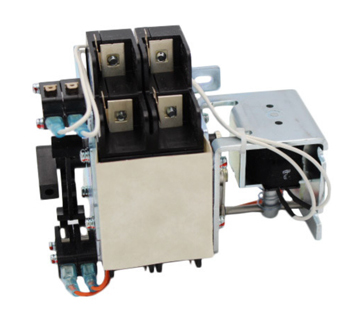 If a Generac transfer switch fails to do its job, it will be clear immediately, as your home will remain powerless even after the unit starts up. When your generator detects the utility outage and begins to power on, but the manual transfer generator switch gets stuck, or the ATS does not move the switch to the proper position, the home will continue to be isolated from both sources of power, negating its entire purpose. This kind of total power loss is preventable with proper maintenance checks.
3 Warning Signs of Generac Transfer Switch Failure:
- Physical damage: signs of burning, melting, or corrosion on the switch panel or any nearby components
- Unusual noise: loud buzzy, chattering, or clicking sounds emanating from the transfer switch
- Unresponsive displays: blank and/or glitching controller screens and abnormal error codes on the transfer switch panel
How Often Do You Need to Replace a Generac Transfer Switch?
Similar to the actual units themselves, Generac transfer switches are made to last anywhere from 20 to 25 years of use. Unless they are severely under-rated, damaged by frequent and strong power surges, or experience internal component failure, a Generac transfer switch can remain in working condition for decades. To ensure this generator accessory is up-to-snuff, we recommend overseeing frequent inspections and testing to prevent it from failing when you need it most.
Basic Automatic or Manual Transfer Generator Switch Maintenance
Dried grease and dirt are the two main offenders when it comes to the cleanliness of your automatic and manual transfer generator switches. Rather than letting this debris build up and cause damage down the line, consider scheduling regular cleanings of the entire switch mechanism using a dry cloth or vacuum and re-lubricating the device at least once a month.
We recommend you have your Generac transfer switch professionally serviced every two to three years. The operator will check pole-resistance, lubricate mechanical linkages, and ensure all time-delay mechanisms are in working condition, giving you peace of mind for future power outages.
Can Homeowners Install Their Own Generac Transfer Switches?
While homeowners can certainly attempt to install their own Generac transfer switches, it requires an advanced understanding of electrical engineering. That’s why we strongly recommend hiring a licensed electrician or authorized generator parts dealer to do the job for you.
Even though some models are advertised as being easy to install, an improperly handled setup can lead to damaged equipment, voided warranties, and fatal safety hazards. In our opinion, it’s just not worth the risk.
How to Find the Correct Replacement Generac Transfer Switch for Your Generator
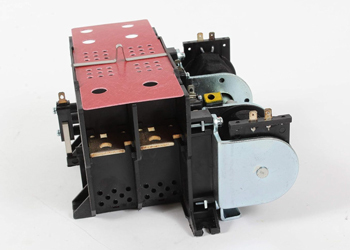 If you do find yourself in need of a replacement automatic or manual transfer generator switch for your Generac model, it’s important that you find a compatible OEM design. While the low price points of aftermarket pieces can be tempting, the best choice is buying a Generac transfer switch that was originally intended for your specific model.
First, you’ll need to identify the amperage of your home’s utility service and your unit’s maximum watts output. If your home has a 200-amp utility service, you’ll need a matching amp automatic or manual transfer generator switch. If your generator produces 10,000 watts, your switch should be rated for at least 10kW.
After you’ve found those numbers, consider your operational needs. Are you looking to transfer power to the entire electrical panel for your house? Are you only interested in powering on essential circuits during outages? Your answers will influence which transfer switch you need. If you still don’t know what kind of automatic or manual transfer generator switch would work best for your needs, don’t be afraid to contact us for help or use our Generac parts locator for more specific pieces.
Thanks to Generator Magic, you don’t have to be an electrician to understand your standby and portable generators. With all your questions on automatic and manual transfer generator switches answered, you’ll feel prepared for anything that comes your way.