

A generator owner’s worst nightmare is their system failing when they need it most. Imagine a big storm hits, and your standby generator, which is supposed to kick on when the power goes out, fails to start–all because it hasn’t been regularly serviced. While Generac generator maintenance can feel overwhelming, a comprehensive guide is all you need to take control into your own hands.
Why Is Standby Generator Maintenance Important?
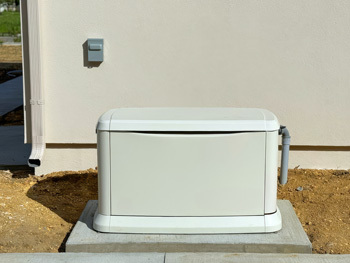 Your standby generator is a powerful and expensive piece of equipment that provides power in critical times. By performing Generac generator maintenance and necessary Generac generator service, you can protect your investment and increase the longevity of your system. With required maintenance, you can also guarantee that your power will run when you need it.
What is a Generator Maintenance Schedule?
A Generac generator maintenance schedule is a chart included in the owner’s manual of your generator describing the specific standby generator maintenance that must be done to your unit. The maintenance schedule shows different maintenance periods that describe the type of Generac generator service that needs to be done and at what intervals.
While Generac generator maintenance schedules may vary depending on the unit, the same maintenance tasks are generally required for all Generac home standby generators. Make sure to record what type of Generac generator service you conduct and when so that you can refer to your records.
Generac Generator Maintenance Periods
- Yearly maintenance
- Continuous use maintenance
- “Break In” maintenance
- Schedule A maintenance
- Schedule B maintenance
- Sediment trap maintenance
Generac Generator Maintenance Safety
Before performing any routine Generac generator service, it is necessary to follow the proper safety precautions. This includes completely powering off the generator, letting it cool, and wearing protective eyewear and gloves. Always consult and learn about your user diagnostics manuals before servicing your Generac generator. Call a professional if you are unsure what steps to take or uncomfortable performing the maintenance on your own.
Annual Generator Maintenance
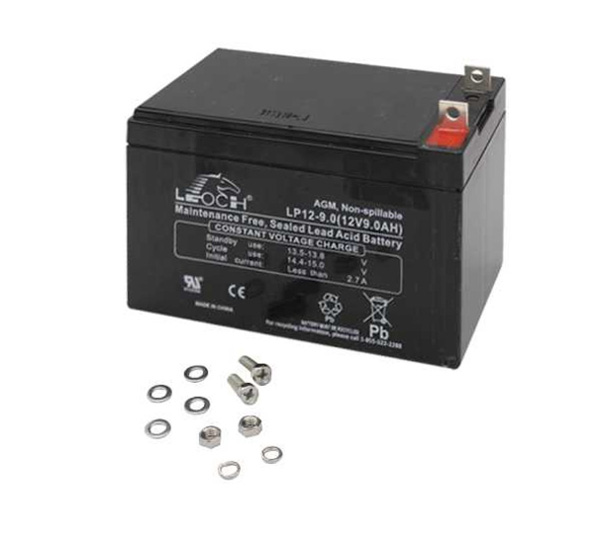 Yearly standby generator maintenance must be conducted either every 100 hours of use or every year, whichever happens first. It requires the following tasks:
- Inspect the battery
- Inspect for water intrusion
- Inspect for corrosion
- Change the oil and oil filter
- Perform a fuel system leak test
How to Inspect Your Generator Battery
As the battery of your generator helps to start the system, it is important to conduct the right Generac generator service. To inspect the generator battery, remove the side panel of your generator and disconnect the battery charger, inspecting the post for signs of corrosion. Tighten if necessary and ensure that it is in working order.
If you have an unsealed battery, remove it by disconnecting the negative battery cable first. Check the battery fluid levels and properly top up if necessary. Take your battery to a service dealer if it needs further Generac generator maintenance or to check the charge and condition.
How to Inspect Generators for Water Intrusion
Water intrusion can severely damage your generator and make the operation dangerous. When conducting yearly Generac generator service, it is necessary to check the area surrounding your generator for any potential water sources and signs of water damage. This can be caused by things like sprinklers, rain gutter spouts, and roof runoff.
It can also be beneficial to inspect the generator after a heavy storm or any other weather-related incidents that may incite water intrusion. Look for pooling near or in any parts of the generator, discoloration, rust, and stains. Using visual cues is an important aspect of standby generator maintenance.
How to Inspect for and Prevent Corrosion in Your Generator
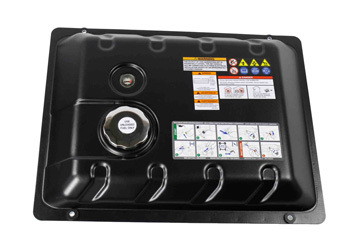 The metal parts of your generator, including the brackets, base frame, alternator can, fuel system, and fastener can develop corrosion – particularly if the generator is near a coast with more salt in the air. As a step in your yearly Generac generator maintenance, inspect your unit for corrosion and replace your generator fuel tank parts as necessary so that your unit operates correctly.
To prevent corrosion from forming, use warm, soapy water and a soft cloth to wipe down your generator. Using products intended for automotives, like wax and soap, can stop corrosion from forming while keeping your generator operational. If you are near a coastal area, you may need to increase the number of times you service your Generac generator against corrosion.
How to Change Your Generator’s Oil and Oil Filter
The oil in your generator is required to keep the internal components of the machine lubricated and functional, so standby generator maintenance for your oil and oil filter upkeep should be regular. While there are certain detailed steps to changing the oil and oil filter depending on the model of your standby generator, certain general Generac generator maintenance steps can be taken regardless of the model.
To change the oil, completely drain the existing oil out of your generator by detaching the drain hose from its retaining clip and emptying it into a suitable container. Then, fill the engine and dispose of the used oil according to local codes. Service your Generac generator with the oil that is recommended for the model of your generator.
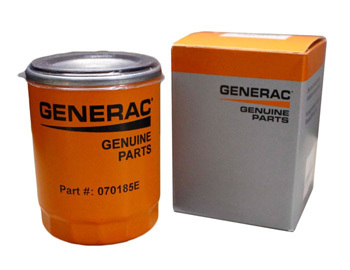
To replace an oil filter as part of your standby generator maintenance, drain the oil into a container through the oil drain hose. Then, remove the old oil filter and replace it with a new generator oil filter, lightly coated with clean engine oil. Do this by gently screwing it on with your hand until it barely contacts the oil filter adapter, turning it three-quarters of a rotation after that.
How to Perform a Fuel System Leak Test on a Generator
Fuel systems leak tests are performed as a part of yearly standby generator maintenance to ensure that there are no gas leaks in your generator system and that it may operate safely. To conduct a fuel system leak test, contact an authorized professional or certified service dealer. We do not recommend doing this on your own.
Continuous Use Maintenance for Generac Generators
 Continuous use standby generator maintenance should be conducted once a day or every 24 hours that a generator is continuously run. This requires the following Generac generator service tasks:
- Check oil levels
- Check the enclosure for dirt and debris
- Check the lines and connections for fuel leaks
How to Check Generator Oil Levels
If the oil levels of your home standby generator run out, your generator can stop working, so servicing your Generac generator’s oil daily while running it continuously is essential. After cooling down, remove and wipe down the oil dipstick with a clean cloth. Then, reinsert and remove it to inspect the oil level.
The dipstick should read “full”. If it is lower than full, top off the oil level with the appropriate oil carefully to avoid overfilling. Reinsert the oil dipstick for future use before replacing the oil fill cap. You may consider getting an oil maintenance kit to have all the necessary tools to top off or change your generator oil when needed.
How to Check the Generator’s Enclosure
The enclosure of your generator should be clean and free of debris. Ensure that nothing is getting into your enclosure that could affect the performance of your system. As a simple part of standby generator maintenance, this can be overlooked, but it is a critical step to guarantee that nothing will get stuck in your machine.
How to Check the Generator Fuel Lines and Connections
To prevent fuel leaks, it is essential that you check the fuel lines and connections as a step in your continuous use Generac generator maintenance. Visually inspect for any puddles or wet marks that smell like fuel. You can also listen for spraying sounds near fuel lines, watch for uncharacteristic fuel spikes on your generator fuel gauge, and pay attention for any excess smoke or fumes. During your standby generator maintenance, also ensure that your Generac gas tank has no cracks or wear when inspecting the fuel lines.
“Break In” Generator Maintenance
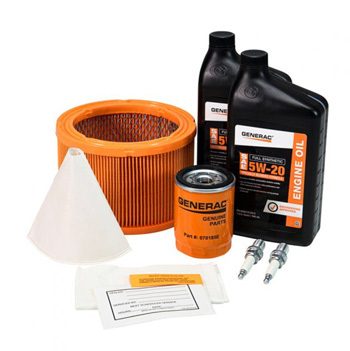 “Break-in” home standby generator maintenance is for brand-new generators and is required after the first 25 hours of use and involves the following tasks:
- Change oil and oil filter
- Inspect and/or adjust valve clearance
How to Inspect/Adjust the Valve Clearance in Your Generator
As the engine warms up and your generator first starts up, it needs proper valve clearance to expand with use and avoid engine damage and proper function. That is why it is important to ensure that your engine has proper valve clearance as a “break-in” Generac generator maintenance step for new generators.
Servicing your Generac generator’s valve clearance is very individualized to your home standby model, so it is best to consult your unit’s specific Generac generator manual for instructions. If you are struggling with valve inspection and replacement during standby generator maintenance, contact an authorized professional for help.
Schedule A Generator Maintenance
Schedule A maintenance, as detailed in your Generac generator maintenance schedule, is a set of steps that must be taken every two years or 200 hours of operation. While these tasks are supposed to be completed annually, you should service your Generac generator additionally every two years.
When schedule A standby generator maintenance is due to be completed, a yellow alert should show on your generator indicator light. It is important to understand generator error codes and indicator lights and what they might mean for your generator’s performance and maintenance needs. If you need further help to understand your generator’s warning signs and troubleshooting issues, consult your Generac diagnostic manual. The following steps need to be completed while servicing your Generac generator during schedule A:
- Inspect the battery
- Change the oil
Schedule B Generator Maintenance
 Schedule B maintenance, as detailed in your Generac generator maintenance schedule, is a set of steps that must be taken every four years or 400 hours of operation. Most of these tasks should be completed yearly as well; however, some are only required every four years.
When it’s time for schedule B standby generator maintenance, a yellow indicator light will show on your generator display. The following steps need to be completed while servicing your Generac generator during schedule B:
- Change the air filter
- Inspect and/or change the spark plugs
- Inspect the battery
- Change the oil and oil filter
- Inspect and/or adjust the valve clearance
How to Change the Generator Air Filter
The air filter of your generator prevents particles, dust, and debris from entering the engine of your generator and causing it to malfunction. Because of this, it is essential that you service your Generac generator and understand air filter components while regularly cleaning it and replacing it during B schedule Generac generator maintenance.
To replace your air filter during standby generator maintenance, first determine if your generator uses a paper, stainless steel, or foam filter. Then, choose the right replacement and detach the old filter from the generator by moving the air filter clips. Thoroughly clean off and remove any dirt or debris from the air filter enclosure before putting the new filter in and securing it with cover clips.
How to Inspect/Change the Spark Plugs in Your Generator
The generator spark plugs ignite the fuel in the engine and help get the unit started. If they are faulty or become weak or damaged, they will not be able to ensure that your generator starts. This is why it is important to conduct proper standby generator maintenance on them during a B Generac generator maintenance schedule.
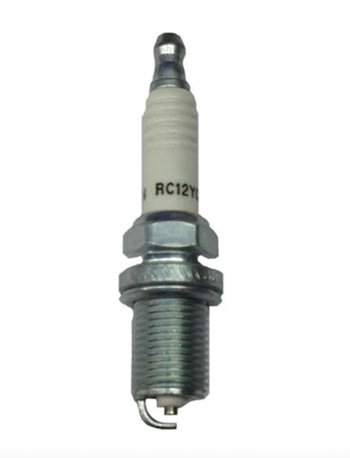 Remove your spark plug with a ratchet after cleaning the area around the base and inspect it for any damage or signs of wear. If your spark plug is looking worn, it is best to learn how to replace the generator spark plug rather than attempt to clean it, as it is a vital part of your unit that requires the correct Generac generator service. Use a wire feeler gauge to check the spark plug gap and ensure that it is within specification, replacing it with the correct replacement part if not.
Generator Sediment Trap Maintenance
The sediment trap of your generator prevents particles and debris from entering the fuel regulator systems and engine so that your fuel stays clean. This feature is typically present in only newer generator models from 2016 or 2017 onwards. Sediment traps typically require standby generator maintenance because they are a crucial piece of the system that can cause problems when clogged.
How to Clean Your Generator’s Sediment Trap
The sediment trap of your generator should be cleaned by a professional authorized to perform Generac generator service unless local codes state otherwise. Since sediment traps deal with the fuel system, it is important to abide by this service to protect yourself and your generator system during your standby generator maintenance.
Sediment traps should be cleaned according to local guidelines and timeframes. How often your sediment trap may require Generac generator maintenance can differ by location. For this reason, it is important to stay up to date with local regulations regarding your Generac generator.
While generator maintenance might seem daunting, following your model’s maintenance schedule can inform you about what service needs to be performed on your system. By servicing your Generac generator and keeping it up to date with necessary maintenance, you can ensure power for yourself and your loved ones for years to come.