
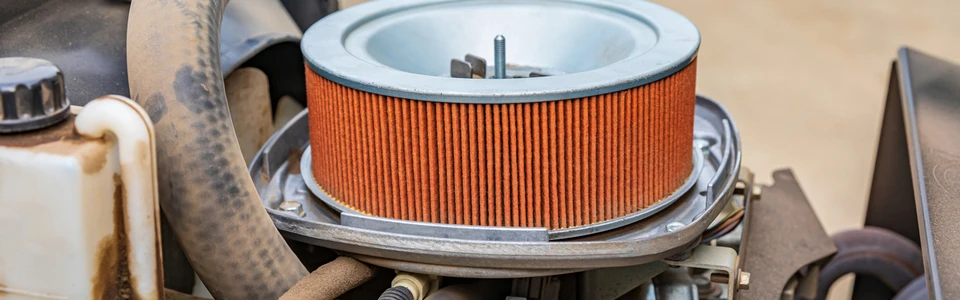
Whether you’re thinking of ways to keep the lights on in your home during thunderstorms or looking for a way to power your off-site contractor gig, generators will help you be prepared to face it all. But behind every miraculous machine are countless critical components, each with its own responsibilities and maintenance needs. One such part? The generator air filter.
What is the Purpose of a Generator Air Filter?
Generator air filters are parts designed to catch and remove dust, dirt, and debris from the air before it enters the engine, allowing clean air to pass through for combustion. Generator air filters help keep the air-to-fuel mixture balanced and clean to help the unit run as smoothly and efficiently as possible.
Do Portable Generators Need Air Filters?
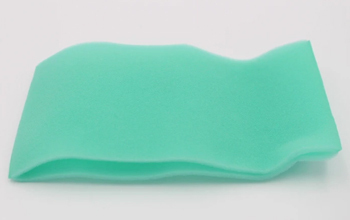 Generator air filters are a necessity for both standby and portable generators. If the unit relies on an internal combustion engine, then it requires having a working air filter in place. Without a generator air filter in place, the equipment will experience rapid internal wear, engine failure, and loss of power.
5 Benefits of Generator Air Filters:
- Enhanced engine protection: Generac air filters stop harmful particles from damaging valuable internal parts.
- Increased fuel efficiency: Generac air filters make sure the airflow is smooth, reducing unnecessary fuel use.
- Consistent power output: Generac air filters prevent the engine from overworking to keep the power steady and unwavering.
- Lower maintenance costs: Generac air filters lower the likelihood of early engine failure, minimizing the cost of unexpected repairs.
- Cleaner emissions: Generac air filters reduce the release of smoky exhaust into the air, producing cleaner emissions.
How Do Generator Air Filters Work?
At first glance, a generator air filter seems like a simple part—but the interior is surprisingly complex. The core is made up of a porous material that, when clean, catches debris and protects the engine.
Over time, physical contaminants will clog the interior, posing a threat to the overall health of your generator and decreasing the air quality. When this occurs, it’s time to clean the part or order a replacement generator air filter.
Are There Multiple Kinds of Generator Air Filters?
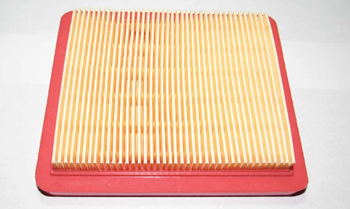 Yes, there are three different kinds of air filters produced for generators. The function remains the same, with the differences lying in the type of material used internally. When you’re searching for a replacement generator air filter, it’s important to do your research on the best option for your model.
Types of Generator Air Filters:
- Foam filters: also known as sponge filters, common for portable or smaller generators, are able to be reoiled and washed to catch finer particles
- Pleated paper filters: made from paper or cellulose, disposable options that are known for high levels of filtration for standard or large engines
- Dual-element filters: made with a foam wrap around a paper filter for an extra layer of protection, best for use in very dusty environments
How Do Generator Air Filters Interact with Oil and Fuel Filters?
The filters in a generator work together to protect the engine and ensure perfect power output. Think of the generator air filter as your unit’s earliest safeguard. When properly placed, it lets in clean air, which then combines with the fuel that was (hopefully) correctly strained by the fuel filter. That mixture is sent to the engine for combustion and, in return, power.
During combustion, the engine oil filter catches any microscopic debris that naturally accumulates. Without an oil filter in place, these particles would circulate throughout the engine, damaging valuable internal parts and reducing efficiency. A generator only runs smoothly if all the filters are clean and in working order.
Can You Clean Generator Air Filters?
Just because your generator air filter is dirty (or “choked” if you’re in the business) doesn’t mean it needs to be replaced. If it’s a sponge or foam Generac air filter, it can be cleaned instead.
To clean the Generac air filter, simply turn off the unit and let the engine cool. Once it’s safe to touch, remove the cover of the housing piece and take out the element carefully. If it doesn’t have any holes or signs of heavy damage, you don’t need to get a replacement generator air filter; just wash it in warm water with a mild dish soap, squeezing it gently to release debris and rinsing thoroughly before letting it air dry overnight.
Pro tip: Before you put the Generac air filter back in the generator, add a small amount of engine oil evenly to the foam, blotting excess with a clean cloth. This will help trap the microscopic dust and dirt particles.
How Often Do Generator Air Filters Need to Be Replaced?
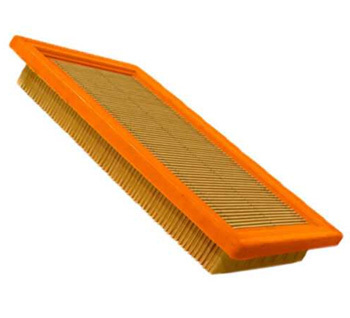 How frequently you need to replace Generac air filters will depend greatly on how often your unit is used. Typically, you’ll need a replacement generator air filter at least once a year or every 150 to 500 hours of use, depending on the model.
Signs It’s Time to Switch Out Your Generator Air Filter:
- Visible discoloration on the generator air filter
- Light is unable to pass through (paper filters only)
- Engine sputters or idles roughly
- Engine uses more fuel than normal
- Generator overheats under normal loads
How Do You Know What Air Filters Your Generator Needs?
When you go to buy a replacement generator air filter, it’s important to remember it's not a one-size-fits-all ordeal. To avoid grabbing the wrong part, you can either check the manual that came with the unit, look up your model’s number, or, in a pinch, measure the existing Generac air filter. If you’re still unsure, or can’t find any information on your equipment, feel free to contact us for direct assistance—we’re happy to help.
Staying on top of generator air filter maintenance is the key to ensuring your equipment runs as long as possible. Lucky for you, at Generator Magic, we have OEM replacement Generac air filters for just about every model. Browse online today to find the part you need.