
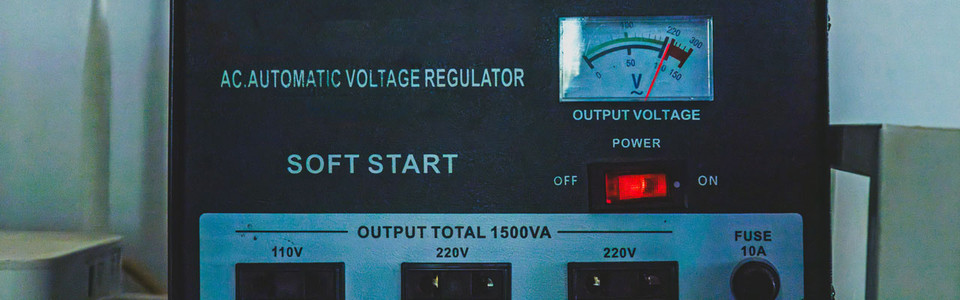
Owning a standby or portable generator is one thing—understanding how it runs is another. If you want to make sure your home and business can power on during weather extremes and grid outages, then you’ll want to familiarize yourself with the inner workings, starting with the generator’s voltage regulator.
What is a Generator Voltage Regulator?
A generator voltage regulator, sometimes referred to as an Automatic Voltage Regulator (AVR), is an electronic device responsible for maintaining a generator’s electrical output at a pre-set and stable level. Between ensuring a stable voltage at variable loads and dividing the reactive load between units, this component protects your generator from power fluctuations to ensure lasting performance.
The AVR is Connected To The:
- Stator: the stationary part where the main power is produced
- Rotor: the rotating part where the magnetic field is created
- Exciter: the smaller windings that send the DC current to the rotor
How Does a Generator Voltage Regulator Work?
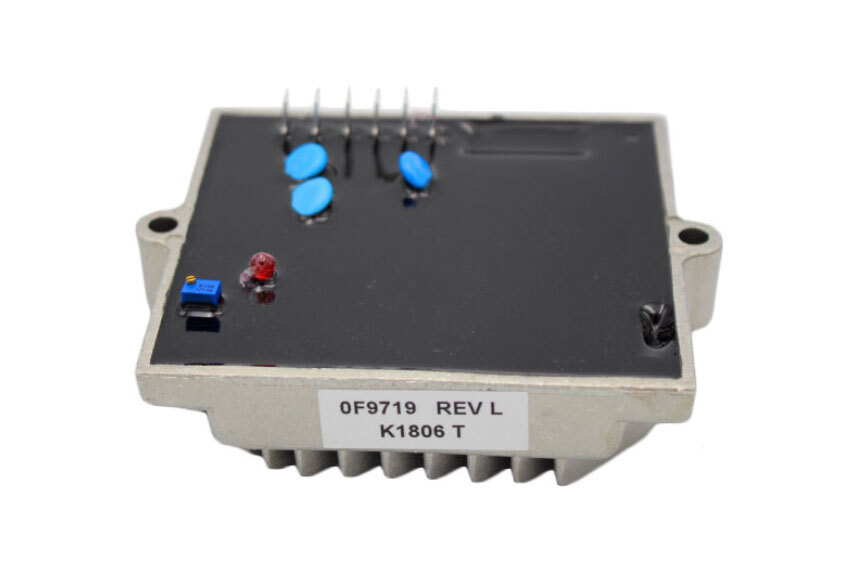 In order to prevent voltage from rising or dropping too quickly during electrical demand changes, the generator auto voltage regulator operates on a closed-loop feedback system. Though it is always scanning for real-time fluctuations, its function can be broken down into three essential parts.
First, the AVR will scan at the main alternator terminals for the generator’s current output voltage, relying on sensing leads to determine its current level and any potential fluctuations. Then, it will compare the sample to a pre-set, internal reference voltage. If the measured score is different than the reference, the generator’s auto voltage regulator will calculate the difference and generate an error signal. The system will then either increase or decrease the CD current using the magnetic field, causing the voltage to adjust and correct.
Why Do Generators Need a Voltage Regulator?
If you’ve ever come across an unregulated generator, chances are, it doesn’t run with an auto generator voltage regulator—and it shows. Generator voltage regulators protect your system.
If the voltage in your generator is not consistent, any change in power demand can result in your equipment facing performance issues, overloads, and irreversible damage. If you want to safeguard the sensitive electronics in your equipment, making sure your generator voltage regulator is in place and up-to-snuff is highly recommended.
Where is the Voltage Regulator Located in a Generator?
The exact location of the generator’s auto voltage regulator will depend on the make and model of your equipment. If you don’t have your manual on hand, you can check in one of three locations: under the alternator rear cover, housed within the main control box, or installed in the terminal box.
How to Choose Between a Digital and Analog Generator Voltage Regulator
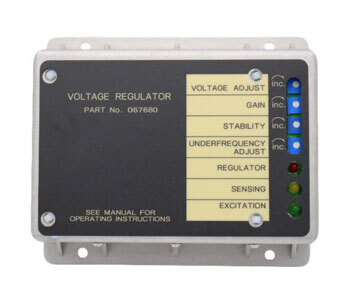 When you browse for Generac voltage regulators, you’ll come across two different options, each with its own host of pros and cons. Which type you buy will typically come down to the kinds of equipment you expect to power with your generator.
If you need a cost-effective option that can handle basic, non-sensitive loads with no problem, search for an analog voltage regulator. These models have an accuracy of ±1% to ±2% and a response time between 10 and 20 milliseconds.
If you plan on using your unit to power up more sensitive electronics, require extreme precision, or would prefer access to more advanced features like remote monitoring, look into buying a digital voltage regulator. These models offer a smaller field of accuracy at ±0.25% to ±0.5% and a faster response time of between 1 and 7 milliseconds.
What Happens When a Generator Voltage Regulator Breaks?
If your generator’s auto voltage regulator breaks or goes bad, there will be direct consequences. At best, your generator will begin to produce wildly fluctuating spikes and drops of voltage. At worst, the equipment will experience a total loss of power, damage the alternator, and burning fuses. If you take a proactive approach to the care and maintenance of your generator, it’s easy to stop these issues from progressing to damaging levels.
Can You Troubleshoot a Generator Voltage Regulator?
If you notice that your generator’s auto voltage regulator seems a bit faulty, don’t call the operator just yet. Instead, start by shutting down the generator and letting it cool before locating the generator voltage regulator. Search for any burnt, broken, or corroded components. If there are no visible signs of damage, you can use a multimeter to check the AC output and DC excitation and see how they match up to your model’s unique specifications.
If the generator is producing no power, it is likely failing to control the field current and has therefore lost its magnetism. To fix this, you can disconnect the field wires from the AVR and connect either a 9V or 12V battery directly to the field terminals for 2-3 terminals. After a small spark, you can reconnect the part and attempt to reboot your generator.
Note: If you’re not feeling 100% with your mechanical skills, leave it to the experts. We’d always prefer a safe approach to fixing a Generac voltage regulator than a risky one.
How Often Should You Replace a Generator Voltage Regulator?
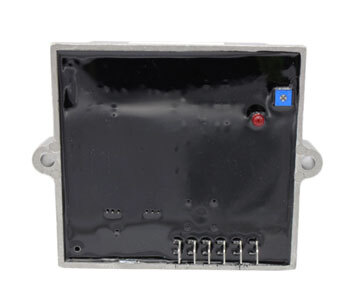 AVRs, especially if they’re of a high caliber, like the Generac voltage regulators, have a high life expectancy. We recommend looking into replacements every 10,000 to 20,000 operating hours or between 7 and 10 years, depending on the design. Make sure to monitor your generator’s performance to see if you notice any signs that it might need to be replaced sooner.
What are the Signs That a Generator Voltage Regulator Needs to Be Replaced?
- Flickering lights
- Unstable voltage readings
- Taking longer than expected to stabilize
- Burnt electronics smell
- Under or overvoltage alarms
How to Select the Right Generator Voltage Regulator for Your Equipment
In order to select the correct Generac voltage regulator, you need to make sure you know what you’re looking for. Check your unit’s nameplate or consult the manual to identify its specific field current and voltage needs, load types, and required sensing type. The correct AVR must equal or exceed your generator’s total power output.
Auto voltage regulators give you the assurance you need that your generator can turn on and stay stable. If you’ve done the research and are still unsure of what Generac voltage regulator to buy, don’t be afraid to contact us or use our find parts page for more assistance. At Generator Magic, we’re always happy to help.