
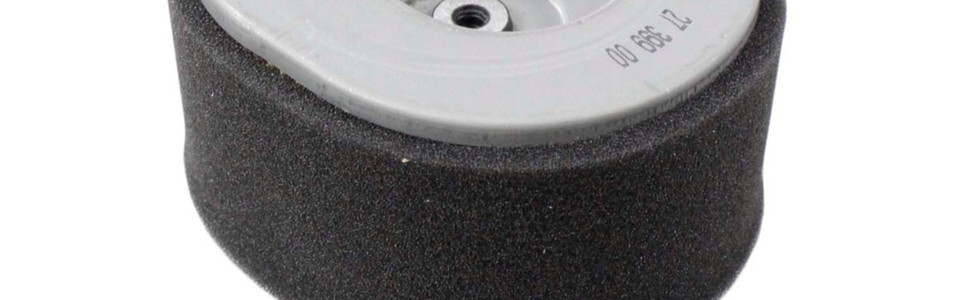
Keeping your generator in excellent operating condition is not just about using it when the power goes out – it is about proper maintenance that can save time, money, and potential headaches in the long run. You may have considered your generator’s engine or battery, but have you thought about your generator’s air and oil filters? While these may seem like small components of your system, they can drastically affect its performance.
It is essential to understand how the air and oil filters of your generator work so that you can maintain and replace them when necessary and protect the investment that is your generator.
What is a Generator Air Filter?
 A generator air filter is designed to remove debris from the air before it enters your generator. The air filter removes dust and other particles from the air that are necessary in your generator to aid in combustion. The filter keeps the air clean from dust and other particles so that the generator can operate smoothly at maximum efficiency.
How Do Generator Air Filters Work?
First, air gets pulled into the system through the air filter. The filter is made from a material like foam or paper, which has small pores or fibers that can trap particles while being thin enough to allow clean air to pass through.
After clean air passes through the paper or foam air filter, it is sent to the generator’s fuel system, where it mixes with the fuel, igniting it in the combustion chamber to power your generator. A generator air filter is essential in the operation of your unit.
Why is it Important to Replace Your Generator’s Air Filter?
As the air filter is an important part of your generator, there are many benefits to replacing it regularly:
- Improves performance
- Prevents engine damage
- Increases fuel efficiency
- Reduces emissions
How Does a New Generator Air Filter Improve Performance?
If your generator’s air filter is clean or new, then the generator will intake air correctly. This will ensure that your generator’s overall system is running smoothly and efficiently. A clogged generator air filter could restrict the airflow your generator gets and reduce the power your generator has.
How Does a New Generator Air Filter Prevent Engine Damage?
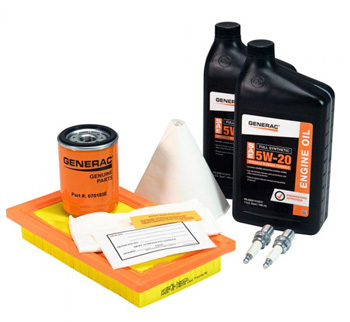 An old air filter can let more dirt or dust into the engine and damage your generator’s internal components, requiring repair or replacement. Regularly changing your generator’s air filter can extend its life, as a clean engine will operate smoother and is more reliable. Air and oil filter replacement is necessary for a healthy engine, and you can even get maintenance kits with generator air and oil filters to conveniently have both on hand.
How Does a New Generator Air Filter Increase Fuel Efficiency?
If the air filter of your generator is new and clean, then the engine doesn’t have to work as hard to pull in air. With the generator and engine not working excessively, fuel is saved, and energy is preserved. By replacing your generator’s air filter frequently, you can save on fuel and refuel your generator less.
How Does a New Generator Air Filter Reduce Emissions?
Since the air filter of your generator helps the engine work more efficiently, it helps burn the engine fuel more completely. Not only can you maximize your fuel efficiency with a new air filter, but you can reduce your emissions. This is safer and better for the environment and yourself and helps meet local emissions standards.
How To Replace Your Generator Air Filter in 5 Simple Steps:
- Turn off your generator: Make sure that your generator is completely off by powering it down, switching off the main line circuit breaker, and letting it cool down completely.
- Locate the air filter: Find your generator’s air filter, which is usually behind a small removable cover on the side or top of the system; consult your owner’s manual if you are unsure of its location.
- Take off the air filter cover and old air filter: Unscrew or unclip the filter cover and pull the old filter out carefully so that no debris falls into the opening.
- Install the new air filter and cover: Place the new filter in the housing opening and ensure that it is securely in place before screwing or clipping the filter cover back on.
- Test your generator: Turn your generator back on to make sure that it runs smoothly and is in operational condition.
Tips for Generator Air Filter Maintenance
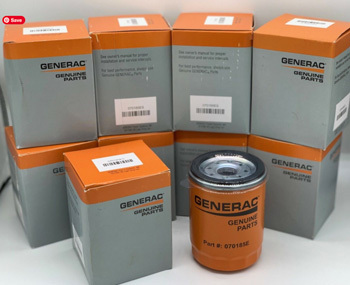 Along with replacing the air filter on your Generac generator and making sure that it is in good working condition, you can also practice regular maintenance on it. It can be helpful to consult your generator’s manual for the recommended air filter change schedule, which is usually after a certain amount of run time. Typically, it is recommended that you change the air filter every 200 hours or annually with the correct generator replacement part for your machine.
It is also recommended that you regularly inspect your system’s air filter outside of its replacement schedule to make sure that it is not getting dirtier than usual. You may also periodically clean your generator’s air filter, but only if it is a type of filter that can be cleaned according to its instructions.
We recommend you consider keeping extra air filters on hand so that you do not have to scramble at the last minute for one when you really need it. Keeping extra generator oil filters and air filters stocked means that you can easily replace your filters when you need to.
What is a Generator Oil Filter?
A generator oil filter is a part of your system that removes contaminants from the oil as it moves through the generator’s engine. The oil filter captures dirt, metal particles, and sludge from the engine oil so that clean oil reaches the engine.
How Do Generator Oil Filters Work?
Like a car engine, in your generator, oil is pumped through the engine while running so that the parts are lubricated, preventing overheating. The fibers of the oil filter catch imperfections in the oil, similar to your generator’s air filter. This allows the generator engine to receive high-quality and pure oil so that no parts get gummed up with gunk.
Types of Generator Oil Filters
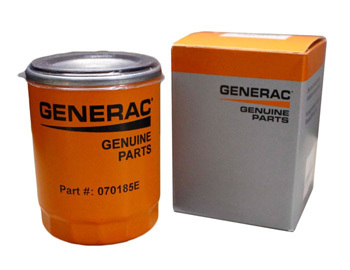 There are two types of oil filters that your generator might have:
- Full-flow filters
- Bypass filters
The full-flow styles filter all the oil in your generator’s engine as it circulates. This ensures that the contaminants in the oil are constantly being removed so that it stays pure. All generators operate on a full-flow filter.
Bypass filters filter only a portion of the oil in your generator. These kinds of oil filters are used as supplementary filters to a full-flow filter. This may catch any smaller particles or debris that the full-flow filter may have not caught. Although not all generators may have a bypass filter alongside its full-flow filter, having both can improve the overall performance of your system and the quality of oil in its engine.
Why is it Important to Replace Your Generator’s Oil Filter?
Understanding your generator oil filter is important in assessing the needs of your generator’s engine and overall system. This filter is a crucial part of your system, and there are many benefits to regularly replacing and maintaining it:
- Keeps oil clean
- Prevents oil pressure issues
- Prevents engine wear
- Protects your investment
The most obvious benefit of an oil filter is that it keeps the oil clean and removes contaminants from the oil. An old oil filter can become clogged up and stop filtering correctly, which is why it is important to replace it, as recommended, with a compatible replacement part for your generator unit.
How Does a New Generator Oil Filter Prevent Engine Wear?
A blocked oil filter can cause a drop in oil pressure so that it doesn’t circulate the engine like it should. If this is the case, the engine cannot get enough lubrication, leading to bigger issues down the line.
A new generator oil filter ensures that the engine is getting enough oil so that its moving parts are frictionless and don’t overheat. Significant and minimal wear on your generator’s engine can be prevented with proper lubrication, so avoiding costly repairs with oil filter maintenance is ideal.
Protecting Your Investment with Proper Maintenance
 As is the case with all regular Generac generator maintenance and replacements, performing small and cost-effective service can save you money in the long run. Replacing the oil filter, while it may seem like an unnecessary expense, can protect your engine, which is a much more costly investment.
Your generator itself is a powerful and expensive investment that is intended to provide power when you need it, so it is important that all of its parts are functioning how they need to. Taking proper care of your generator parts and oil filters will make your investment in your generator worthwhile and effective for years to come.
How to Replace Your Generator’s Oil Filter:
- Turn off your generator: Similar to replacing your air filter, completely turn off, disconnect, and cool down your generator.
- Drain the oil: Place a drain pan underneath the oil drain plug and unscrew the plug to remove the old oil completely, replacing the drain plug once done.
- Remove the old oil filter: Using a wrench, loosen and remove the old oil filter by turning it counterclockwise, using the drain pan to catch any excess oil.
- Clean the filter area: Wipe down the area where the old filter was located to remove residual dirt and oil and ensure a good seal.
- Prepare the new oil filter: Before installation, apply a thin layer of fresh oil to the gasket of the new filter.
- Install the new oil filter: Gently screw the new oil filter in by hand - a half-turn after the gasket touches the surface.
- Refill with new oil: Open the oil fill cap and pour in the recommended amount of oil for your generator, checking it with the dipstick to guarantee that it is at the correct level.
- Test your generator: Turn your generator on and ensure that it runs smoothly and circulates the oil, checking for any leaks around the plug or filter and consulting your Generac diagnostic manual if there are any issues.
Tips for Generator Oil Filter Maintenance
To ensure that you are replacing your generator’s oil filter correctly, consult your owner’s manual regularly for instructions and to answer any questions you may have. It is also recommended that you keep a record of when you last changed the oil and oil filter or any regular generator maintenance to keep a routine schedule.
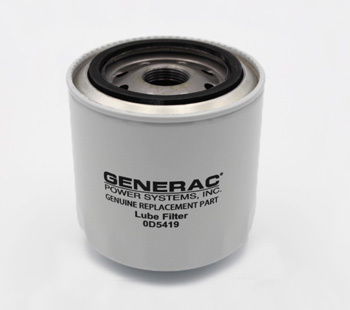 It is suggested that you replace your generator’s oil filter every time you change its oil, typically every 50-200 hours of operation. How often you change your generator’s oil depends on the conditions in which the generator is running and the frequency of operation. You can always consult your generator’s manual for more specific information relating to your generator’s model.
It is also important to dispose of your used oil and oil filters properly. You should look up how and where you may dispose of your oil best, but typically, this is at a recycling center or designated disposal facility. This is important to ensure that oil is gotten rid of safely and cautiously.
In the world of generator maintenance, small parts like air and oil filters can make all the difference between smooth performance and costly repairs. By understanding how your generator works and how these filters are important for your generator’s engine and overall system health, you can ensure that your unit runs efficiently in times of need.
Not only is regular filter replacement good maintenance, but it is necessary to protect the longevity and reliability of your generator. The next time you think about the routine maintenance of your generator, remember that a clean filter today means a powerful generator tomorrow.