
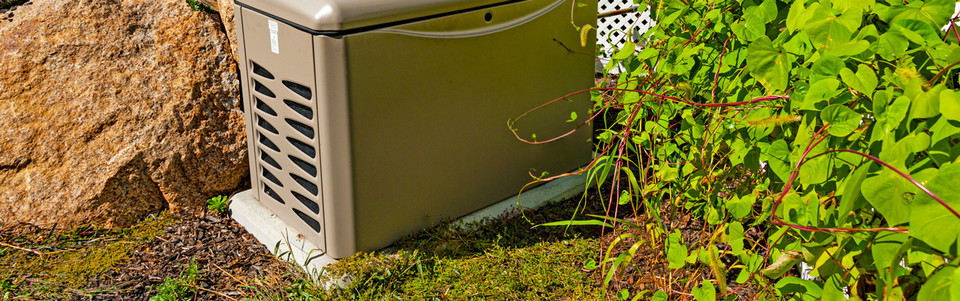
The air-cooling system of your generator is a vital piece in making sure your engine functions and maintains a cool temperature. With an air-cooled generator, staying informed about your unit and learning proper air-cooled generator maintenance is a way to prevent overheating and have confidence in your system.
What are Air-Cooled Generators?
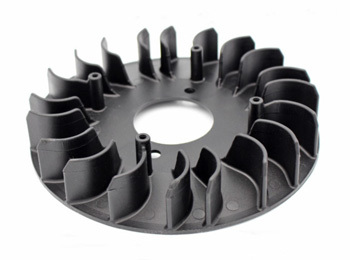
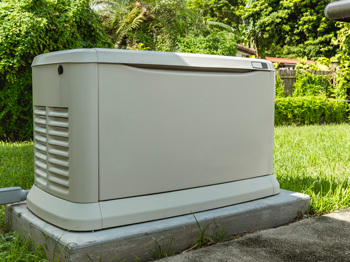 Air-cooled generators are a type of generator that uses air to cool down the system. These generators use blowers and fans to disperse heat around the engine and keep it at an optimal temperature for operation. The fans generate airflow, and then metal fins placed around the engine increase the surface area so that more heat can be transferred from the engine to the surrounding air.
When the temperature of your system gets too high, it may overheat and stop working. It is important to know proper air-cooled generator maintenance to perform alongside regular routine maintenance so your generator doesn’t overheat.
Air-Cooled vs. Water-Cooled Generators
There are two types of cooling systems that may be present in your generator:
- Air-cooled
- Water-cooled
The type of cooling system your generator model has depends on the power needs, environment, and price point of your unit. While air-cooled generators use air to dissipate heat from the generator engine, water-cooled generators use a water pump that transfers coolant around the generator engine. As the heat transfers to the coolant, the generator cools down.
Water-cooled generators are typically used for heavy-duty and long-term use, as the cooling system is generally more effective than air-cooled models. For this reason, water-cooled generators can last longer than their air-cooled counterparts and are quieter because of the lack of fans. However, the price point of water-cooled generators is higher, and the maintenance is more complex than air-cooled generator maintenance.
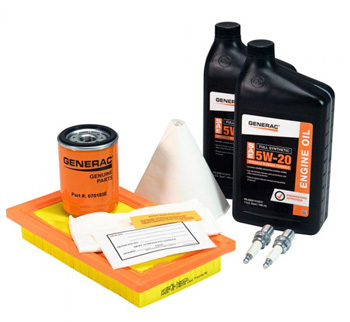 The 5 Benefits of Air-Cooled Generators:
- Cost efficient – air-cooled generators are typically cheaper upfront, and there is less upkeep cost
- Easier maintenance – while there are still specific maintenance supplies and practices required of an air-cooled generator, air-cooled generator service is less complex without a coolant system
- Simplicity – air-cooled generators have a more straightforward design than water-cooled options, not only making air-cooled generator maintenance easier to understand but also less prone to failure of individual parts
- Size – the size of air-cooled generators is typically smaller than water-cooled units, making them ideal for RVs, camping, home use, and any other applications where a more compact, portable, and discreet option is desired
- Fuel efficiency – air-cooled generators need less energy to run the cooling system than water-cooled generators, so they use less fuel
Do Air-Cooled Generators Overheat?
Since air-cooled generators rely on proper air circulation for cooling, they can overheat. This can happen when your generator cannot get proper ventilation or the engine becomes too warm from hot temperatures or overuse.
Overheating a generator can damage different parts of your system and result in having to replace multiple faulty parts, as well as having an inoperable generator. Because of this, it is essential that proper air-cooled generator maintenance and service is performed. If your generator has overheated and parts are damaged, make sure that you know how to find replacement parts so that you can get your generator up and running again.
How Long Can an Air-Cooled Generator Run?
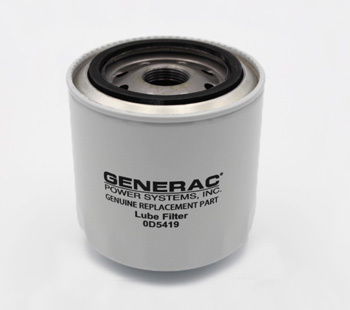 An air-cooled generator can overheat from extended use, particularly in high temperatures. To prevent overheating and needing further air-cooled generator service, it is recommended that you give your system cool-down periods.
You can let your system cool by practicing proper air-cooled generator maintenance and limiting the continuous run time of the system when possible. If necessary, you should be able to run your air-cooled generator for a week under good conditions, but it is recommended that you turn it off and inspect the oil daily to allow it to cool.
Where to Put Your Air-Cooled Generator
An air-cooled generator operates best when placed in an ideal location. You’ll want to find a well-ventilated area to avoid overheating and the need to perform excessive air-cooled generator service.
Place your generator in an area that is not enclosed or confined. A confined area without good airflow can trap the hot air dispelling from the generator so that it is not able to escape, raising the temperature of the system. We also recommend a shady spot out of harsh sun or elements if you’re running your generator in a warm environment.
Cleaning Your Air-Cooled Generator
You can prevent overheating by performing routine air-cooled generator maintenance and regularly cleaning your system. If the air filters, or engine fans and fins of your unit are blocked, it may stop airflow and prevent proper cooling of your system. When conducting maintenance and replacing removed parts on your generator, consult a Generac generator service manual for proper guidance.
When considering what air-cooled generator service to accomplish, cleaning the dust and debris out of the air filters should be a top priority. Knowing how to clean the air filter of your generator is a valuable skill to have in preserving the overall well-being and longevity of your system.
The engine fans or fins may also get grease or buildup on them, which reduces the efficiency of the cooling process. It may be beneficial to completely turn off your generator, remove these parts, and wipe them down. If the generator fan gets damaged, get a replacement fan to ensure proper cooling.
What is the Life Expectancy of an Air-Cooled Generator?
 Your air-cooled generator should last you about 20 to 40 years, or 10,000 to 30,000 hours. By following routine air-cooled generator maintenance, you may be able to extend the lifespan and enhance the operation of your system.
Many of the requirements for air-cooled generator service are the same as those for a water-cooled system, involving routine cleaning and changing parts when necessary. Knowing how to take care of your generator will keep it effective and efficient so that you can have peace of mind that your generator will power up when you go to turn it on.
Informing yourself about your unit and routine air-cooled generator maintenance will decrease failure and the need for excessive air-cooled generator service on your system. Preventing overheating and keeping your system cool is one of the most important ways to keep your generator running so it’ll be ready when you need it.