
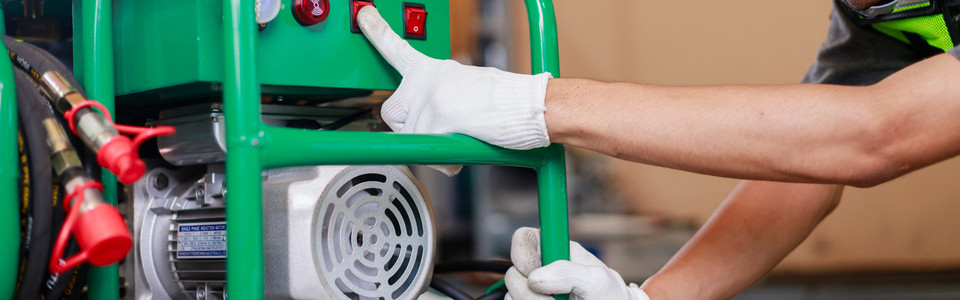
If you find your generator malfunctioning in a time of need, the culprit might be a lack of basic generator maintenance. Owning a generator means not only fixing it and replacing parts when they break but also regularly cleaning the system to maximize efficiency. Discover how routine generator cleaning and maintenance can help you keep your power running when you need it.
Why Clean Your Generator?
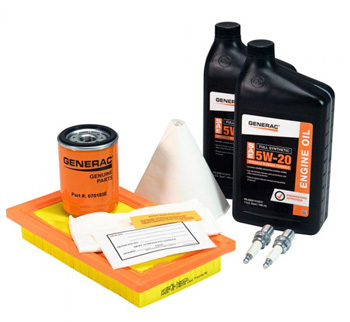 Generator cleaning is essential to guarantee that your system runs smoothly and efficiently. Cleaning your generator and performing maintenance can extend your machine’s lifespan and improve its safety. A generator that is well taken care of is more reliable and less prone to malfunctions, ensuring that you can have power when you need it.
What Generator Parts Should You Clean?
You can avoid costly maintenance and breakdowns by knowing what parts of your generator should be cleaned and cared for. Regularly cleaning your generator's carburetor, filters, battery terminal, and exterior can enhance its function and dependability.
9 Generator Cleaning Safety Tips:
Before you start cleaning your generator, it is essential to follow these safety precautions to keep yourself protected:
- Turn off and cool down your generator
- Disconnect your generator's power
- Wear protective gear like gloves, goggles, and a mask
- Clean in a well-ventilated area
- Avoid sharp cleaning tools that could damage generator parts
- Never have an open flame near the generator
- Never put damp generator parts back into a generator
- After cleaning, inspect for oil or fuel leaks before restarting
- If in doubt, consult your diagnostic manual and contact a professional
How to Clean Your Generator’s Carburetor
The carburetor provides the engine with spark ignition and is vital for your generator's start and performance. If the carburetor is dirty, your generator might not start, or it could run roughly, so it is essential to clean your generator's carburetor.
Before you start cleaning your generator’s carburetor, follow the above safety tips and consult your manual; then you may start with these steps:
- Step 1: Remove the carburetor – Take this step with extra care, ensuring you have a bowl in which to place all your removed components. Disassemble the generator housing and unscrew all screws holding the carburetor in place, then carefully remove the delicate fuel lines and connecting springs. Once the carburetor is out, disconnect the air hoses.
- Step 2: Use carburetor cleaner – Get a reliable generator carburetor cleaning solution, spray the parts, and let them soak to dissolve dirt and grime.
- Step 3: Scrub away dirt – Use a small brush to scrub away any stubborn dirt or debris from the parts, being gentle with your movements.
- Step 4: Use compressed air – Gently use compressed air on the parts, removing more debris in the small crevices.
- Step 5: Dry the parts – Ensure that each carburetor part is completely dry before reassembling. Use a clean cloth or towel to gently and thoroughly dry the parts.
- Step 6: Reinstall your carburetor – After cleaning the generator’s carburetor, reassemble it to its original state.
You may consult an in-depth video about generator carburetor cleaning or get professional help cleaning your generator’s carburetor. Get a replacement carburetor for your generator when necessary.
Cleaning Your Generator’s Air Filter
 Learning about your generator's air filter is critical as the filter is one of the most important parts of your system. They protect the engine by catching particles in the air before they reach it, preventing premature wear. After following generator cleaning safety tips and referring to your user manual, inspect your filter and determine if it is foam or paper.
After removing a foam air filter, wash it in warm water with dish soap or detergent and gently squeeze it to remove dirt. Rinse it with clean water, letting it dry completely before lightly pouring fresh engine oil on the side of the filter facing the engine. Let it dry once more before returning the filter to the generator.
After taking out a paper air filter, tap it gently to remove excess dirt and dust. If particles remain, you need to swap it with a replacement air filter since paper filters cannot be washed.
Cleaning Your Generator’s Battery Terminal
The generator's battery is another crucial part that ensures your generator starts reliably. Like a car battery, the generator battery terminal must be accessible and clean of corrosion to store and start the battery correctly. Because of this, it is important to know how to clean your generator’s battery terminal.
You may clean the battery terminal after following generator cleaning safety tips and consulting your manual. Combine one tablespoon baking soda with one cup of water, then dip a toothbrush into the mixture. Scrub this mixture onto the terminals, wiping them off with a towel.
Once the dirt and corrosion are removed, wipe down the terminals with a damp rag, then a dry one to completely and thoroughly dry the terminals. Dabbing a small amount of petroleum jelly on the terminals will help lubricate them before attaching your original or replacement generator battery.
Cleaning Your Generator’s Exterior
Your generator’s exterior can also be cleaned to prevent rusting and corrosion of your system. Regularly cleaning the exterior of your generator also allows you to inspect your machine more easily and spot any issues early.
After following generator cleaning safety tips and consulting your manual, you may use a soft brush or cloth to wipe dust and dirt from the surface of your generator, inspecting the air intake gills and exhaust system as well.
When Should You Clean Your Generator?
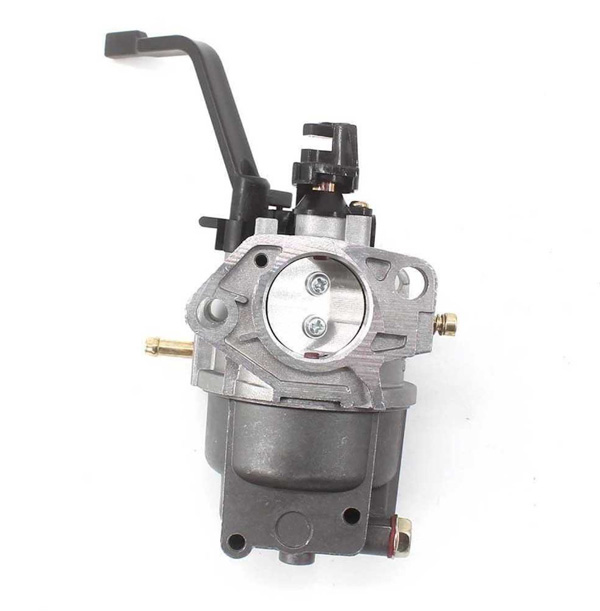 The parts of your generator need occasional cleaning and upkeep to function at their best. It is important that your generator’s carburetor is cleaned once a year or whenever your generator displays issues related to your carburetor.
Your generator air filter should also be cleaned once a year, although you may need to clean it more if you use your generator very often or live in a dusty area.
The battery terminals of your generator should be cleaned as you replace your battery. In contrast, the exterior of your generator should be cleaned every three to six months to ensure optimal performance.
The longevity of your generator relies on regular cleaning and maintenance of crucial components of your system. From cleaning your generator carburetor to wiping down your machine’s exterior, cleaning enhances your generator’s performance and operation. Stay proactive with your generator cleaning and follow maintenance tips to keep your system running reliably for years to come.